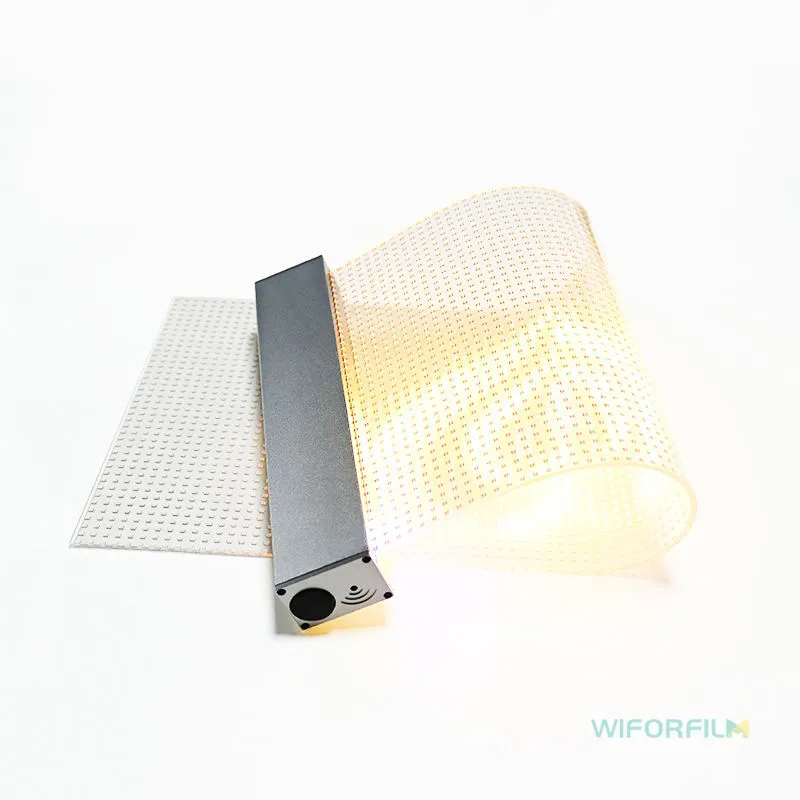
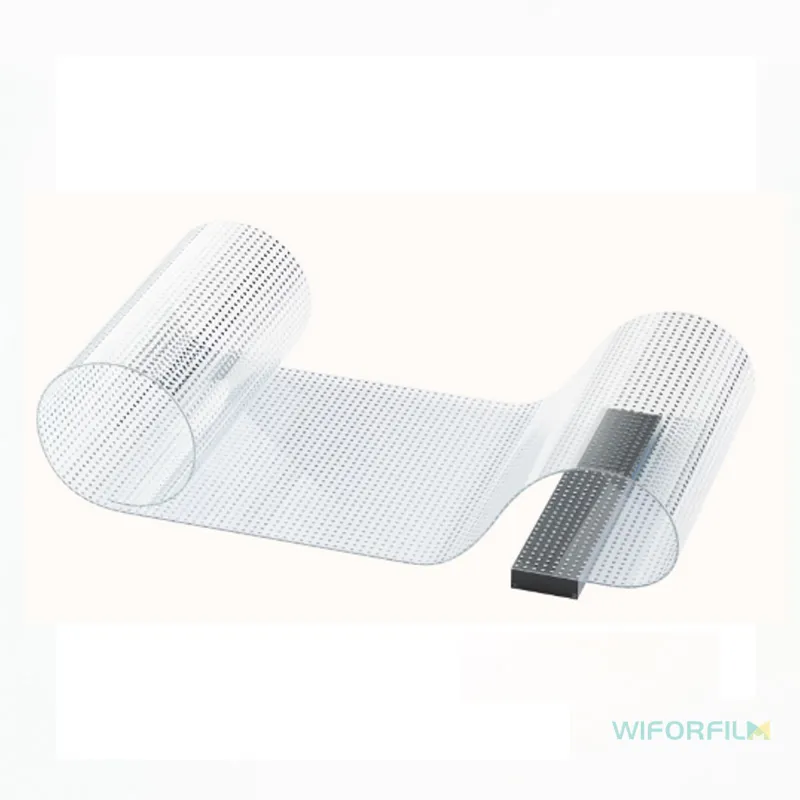
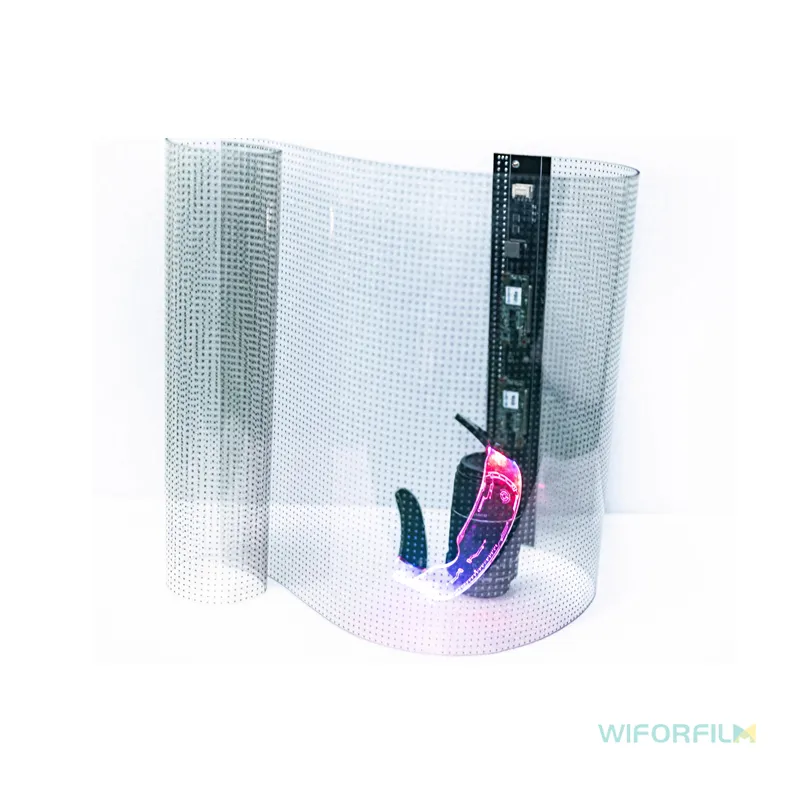
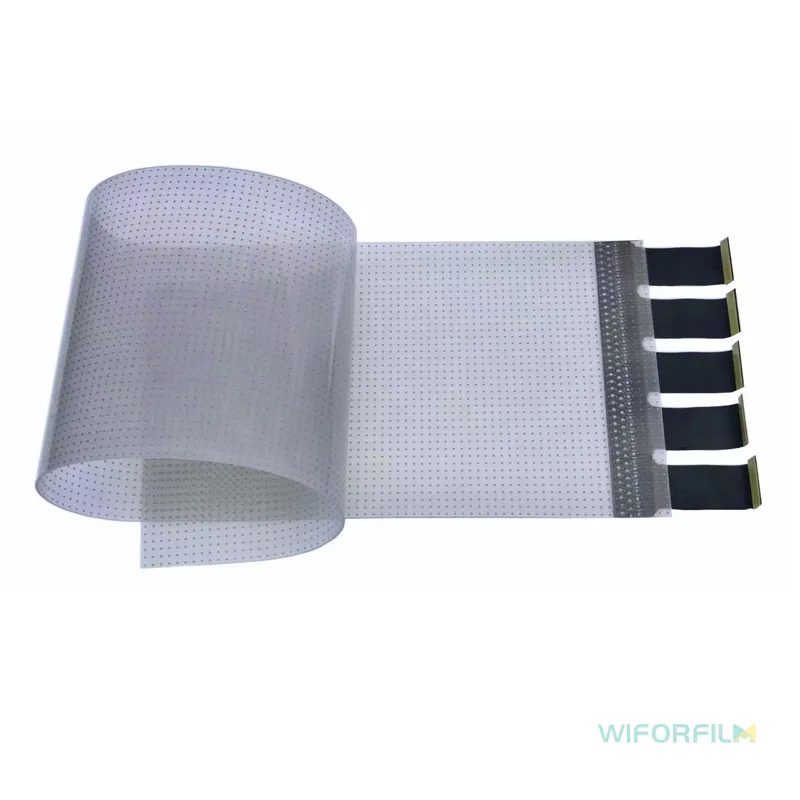
Glass doors have become valuable real estate for communication, branding, and customer engagement. As more businesses look for modern ways to stand out without reconstructing their storefronts, LED film screens for glass doors have emerged as one of the most practical and visually impactful solutions. Their ultra-thin, transparent, and energy-efficient design makes them ideal for retail shops, showrooms, corporate offices, transportation hubs, and high-traffic commercial spaces.
As a manufacturer specializing in flexible transparent LED film technology, I’ve seen how this category has evolved from a niche display option into a mainstream choice for future-ready architecture and digital signage. In this blog, I’ll break down how LED film screens elevate glass doors, where they perform best, and what technical aspects buyers should pay attention to when evaluating options.
Why LED Film Screens Are Perfect for Glass Doors
Glass doors are often the first point of visual contact. Traditional displays—LCDs, LED cabinets, lightboxes—either block visibility or require bulky structures that disrupt the architectural aesthetic. LED film screens solve these problems with several key strengths:
1. High Transparency Without Blocking Light
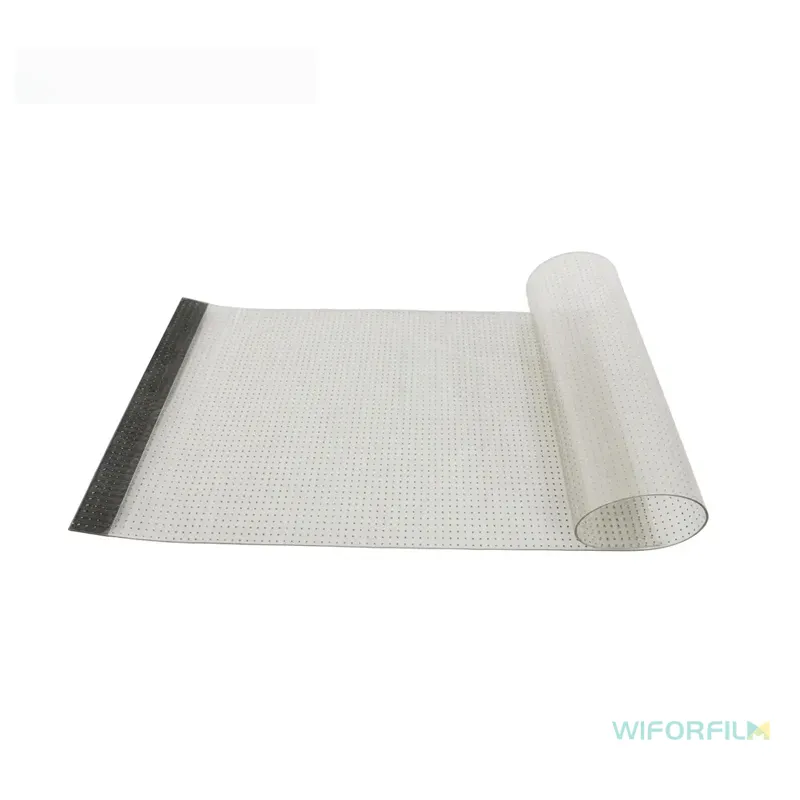
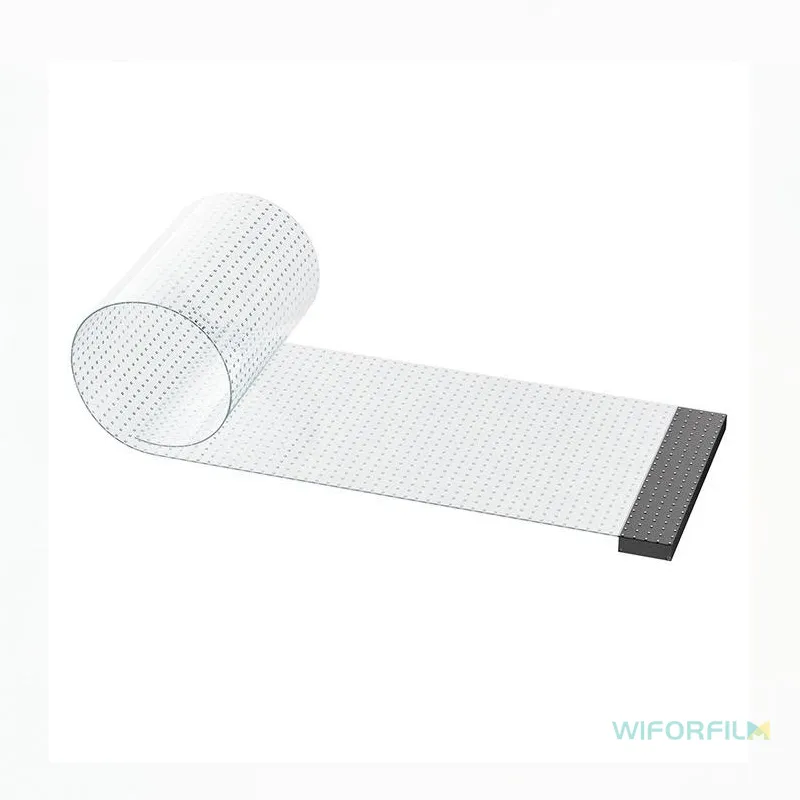
Premium LED film screens offer 85–93% transparency, allowing natural light to pass through while the screen content remains bright and vivid on the viewer’s side. This keeps the open, spacious feeling of a glass entrance intact.
2. Ultra-Thin & Lightweight
The film is typically 1–3 mm thick and weighs only a fraction of traditional LED panels. It can be installed directly onto existing doors without reinforcement, framing, or drilling.
3. Flexible Content for Dynamic Messaging
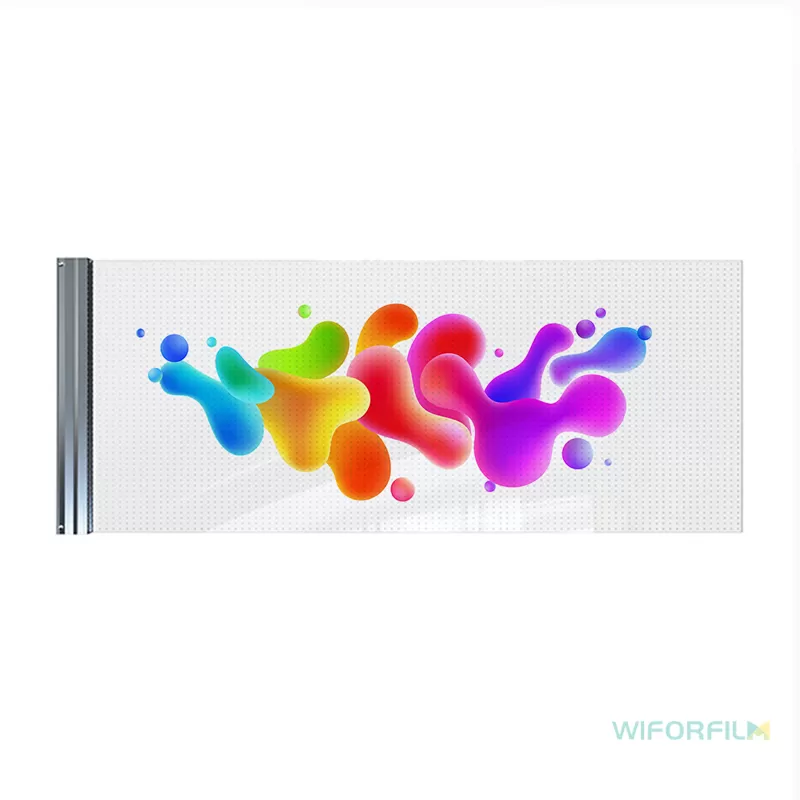
Businesses can display promotions, logos, safety information, holiday themes, or interactive content. Updates can be done instantly through cloud-based systems or local control boxes.
4. Energy-Efficient & Durable
LED film consumes significantly less power than LCD displays and withstands vibration, frequent door movements, and long operating hours. The encapsulated circuit design also ensures resistance to dust and moisture.
5. Preserves Architectural Design
It enhances the glass door instead of replacing it. The minimalistic appearance blends with modern interiors and storefronts favored in shopping malls, chain stores, and high-end buildings.
Where LED Film Screens Deliver the Best Results
From practical use cases to brand storytelling, LED film screens unlock new possibilities across industries:
Retail Stores
Displaying new arrivals, promotions, lifestyle videos, and brand campaigns directly on the entrance attracts walk-in traffic. Retailers can update content daily without printed posters or repeated labor costs.
Showrooms & Dealerships
Automotive and furniture showrooms use glass-door LED film to highlight product features, launch promotions, or play high-impact visuals that match premium brand positioning.
Cafés & Restaurants
Menu specials and seasonal offers can be showcased on entry doors, increasing visibility and encouraging impulse visits.
Corporate Offices
Company identity videos, visitor greetings, or event announcements can be displayed while maintaining transparency and professionalism.
Hospitals & Airports
Important notices, directional guidance, and emergency updates can be presented in a highly visible yet non-intrusive way.
Technical Factors Buyers Should Evaluate
A strong LED film screen for glass doors should deliver not only beautiful visuals but also long-term stability. Key specifications include:
1. Pixel Pitch
Common options range from 3 mm to 10 mm.
Smaller pixel pitch = sharper image at close viewing distance.
For glass doors facing pedestrians, 3–6 mm works best.
2. Brightness Level
Brightness between 1000–4000 nits ensures visibility under indoor or bright ambient conditions. For outdoor-facing entrances, higher brightness is recommended.
3. Transparency Rate
Choose 85%+ transparency for doors where maintaining open visibility is important.
4. Installation Method
High-quality films support:
-
Self-adhesive installation
-
Modular splicing
-
Curved or irregular surfaces
This flexibility reduces installation time and preserves the door structure.
5. Durability & Protection
Look for features such as:
-
Anti-UV coating
-
Moisture and dust protection
-
Heat-resistant IC design
-
Stable performance under frequent opening and closing
6. Control System
A good control system should support WiFi, LAN, or cloud control. Smooth content playback and ease of updating are essential for daily use.
How LED Film Screens Improve Customer Experience
Beyond visual appeal, these screens create a meaningful interaction between businesses and visitors:
-
Instant attention grabber: Motion visuals naturally draw the eye.
-
Brand consistency: High-quality displays reflect modern brand identity.
-
Better communication: Visitors receive clear, updated information effortlessly.
-
No clutter: The door remains transparent and elegant, without stickers or posters.
This combination of aesthetics, functionality, and digital communication is why LED film screens continue to replace traditional signage on glass entrances.
Conclusion
LED film screens for glass doors are redefining the way businesses communicate at their entry points. With high transparency, lightweight construction, flexible installation, and powerful visual performance, they represent the next evolution of smart architectural signage. For brands seeking a cleaner, more energy-efficient, and futuristic way to engage customers, LED film technology offers a practical and high-impact solution.
If you need assistance selecting suitable models, sizes, or pixel pitch for your glass doors, I can help provide professional guidance based on your application, environment, and budget.