LED film screens for glass shop fronts are becoming one of the most effective ways to upgrade retail visibility without disrupting architectural aesthetics. As a manufacturer deeply involved in transparent LED technology and its global deployment, I’ve seen how this product has shifted from an interesting concept to an essential storefront solution—especially for brands competing in crowded high-street environments. In this blog, I’ll break down how LED film screens work, why they outperform traditional LED displays for glass applications, and what real advantages they bring to retailers, designers, and building owners.
What Exactly Is an LED Film Screen?
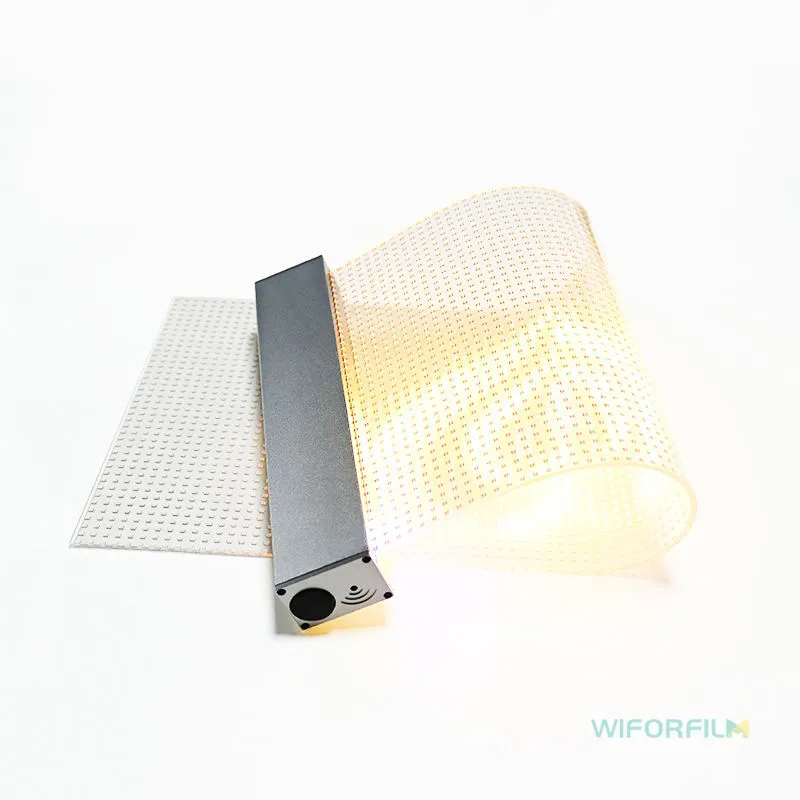
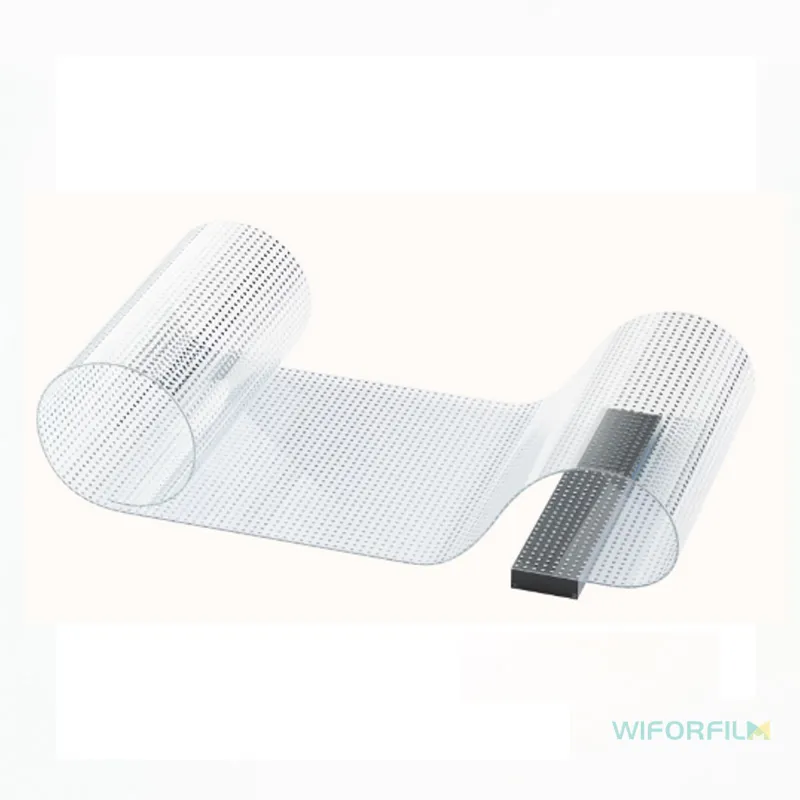
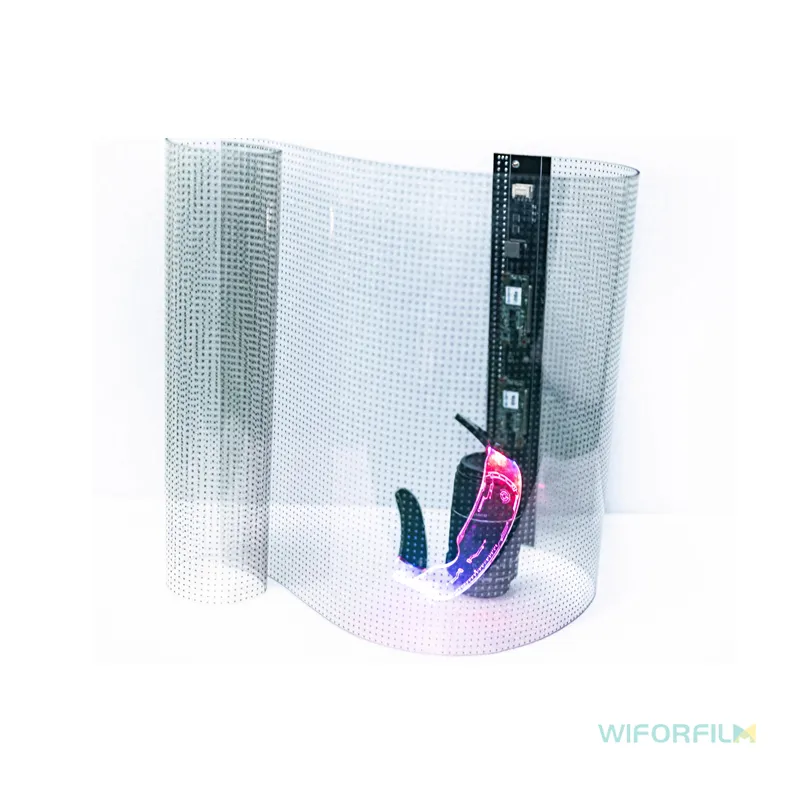
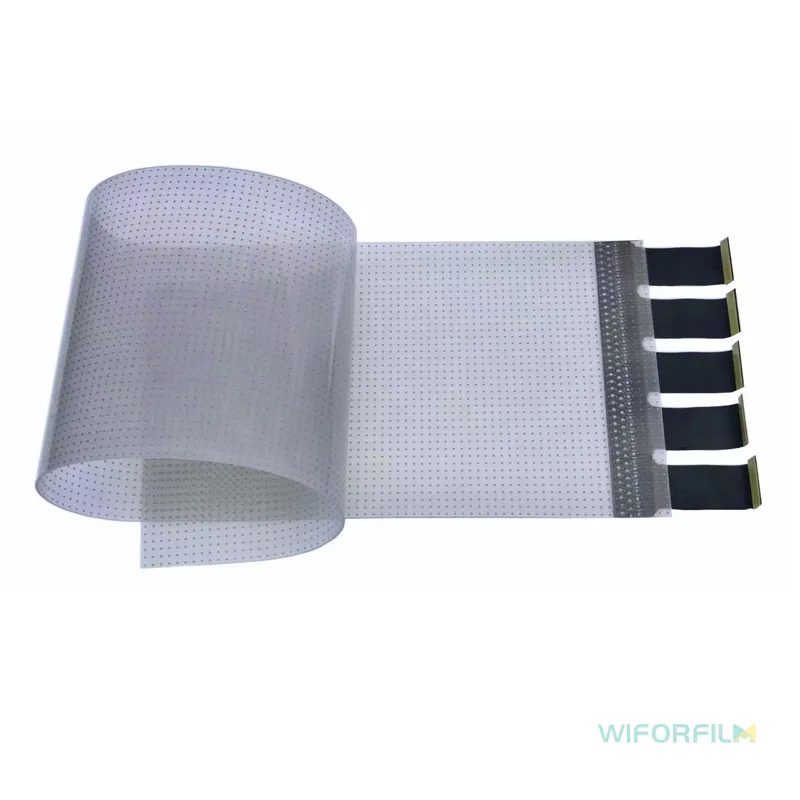
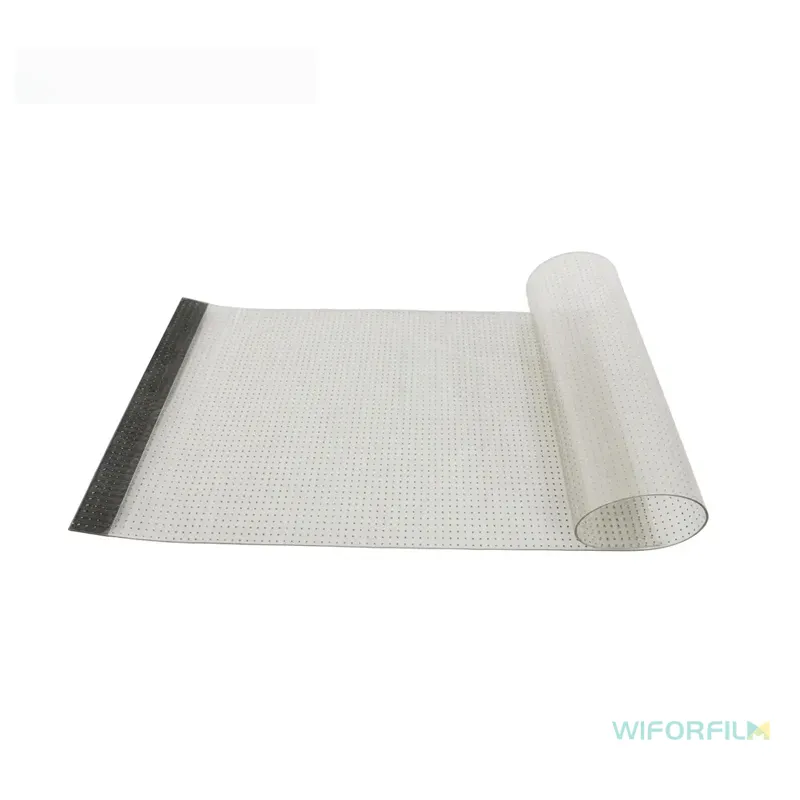
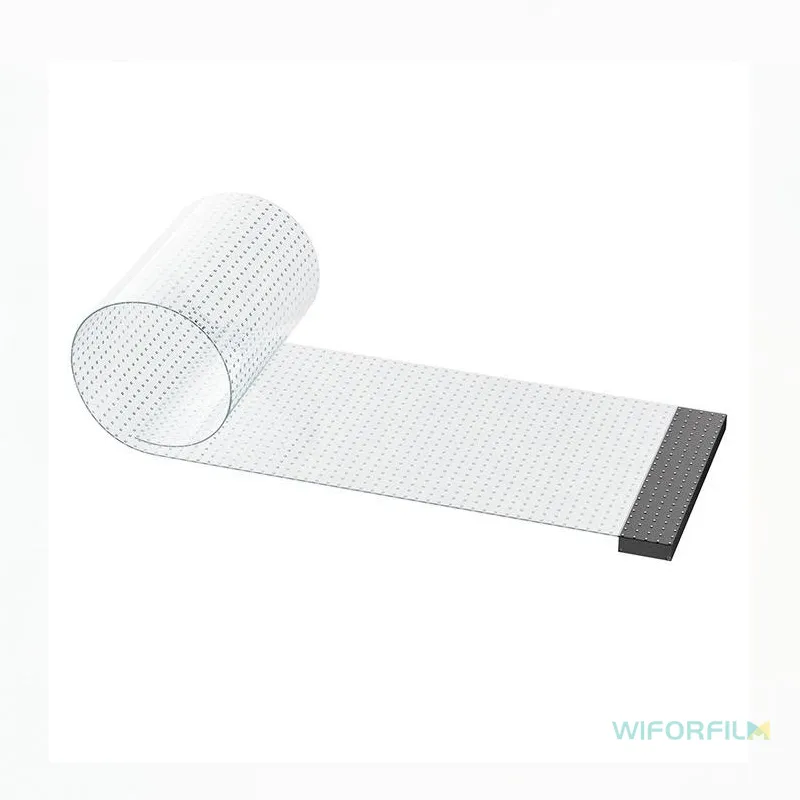
An LED film screen—often called a flexible transparent LED screen—is an ultra-thin, lightweight, and highly transparent display product designed to stick directly onto existing glass. Unlike standard LED cabinets, LED film uses flexible PCB materials and micro-LED chips arranged in strips that maintain high transparency while delivering vibrant visuals.
It doesn’t block natural light, it doesn’t require complex steel structures, and it integrates seamlessly into glass shop fronts—making it ideal for fashion stores, showrooms, cosmetics shops, cafés, electronics retailers, and luxury boutiques.
Why Retailers Are Choosing LED Film for Storefronts
1. High Transparency Preserves Store Aesthetics
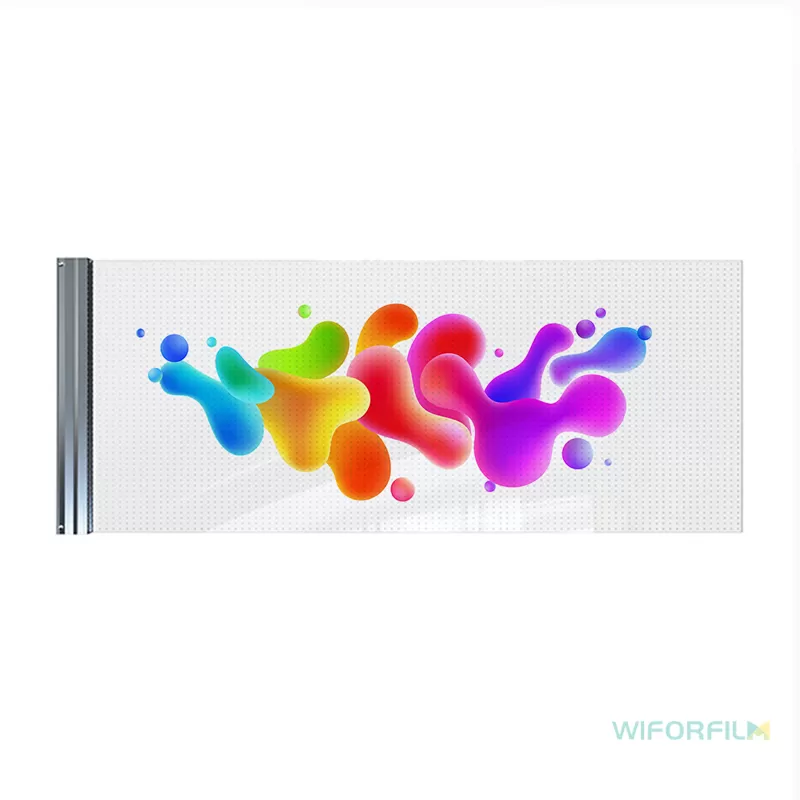
One major challenge with traditional LED screens is that they completely cover the window. Modern retailers work hard on visual merchandising, and a solid LED cabinet blocks that effort. LED film solves this with 60–90% transparency, allowing customers to see both the displayed content and the interior environment.
This balance is critical for stores aiming for a clean, premium look.
2. Lightweight and Easy to Install
Conventional LED displays require heavy frames, steel structures, and long installation times. LED film is self-adhesive, weighs almost nothing, and sticks directly onto the window surface.
Retailers can upgrade an entire shop front in a single day without shutting down operations.
3. Flexible, Cuttable, and Customizable
Glass shop fronts come in many shapes—curved, angled, floor-to-ceiling, or segmented. The flexible LED film material allows:
-
Custom shapes
-
Large-format installations
-
Seamless splicing
-
Curved or corner applications
Designers appreciate the freedom because it supports creative façade branding.
4. Energy Efficient with Lower Operating Costs
LED film screens consume significantly less power than traditional LED cabinets of similar size. For retail chains with multiple stores, monthly energy savings become a major long-term benefit.
Lower heat generation also reduces risks and makes the screen suitable for indoor-facing glass.
5. High Brightness for Daytime Visibility
A common misconception is that transparent LEDs are only for indoor or low-light environments. In reality, modern LED film screens deliver 3,000–5,000 nits, making them clearly visible even under direct sunlight.
For shopfronts facing busy streets, this is a powerful advertising advantage.
6. Long Lifespan and Low Maintenance
Since the LED film is laminated behind glass, it is naturally protected from:
-
Dust
-
Moisture
-
Accidental touches
-
External weather conditions
This significantly increases lifespan and reduces after-sales issues.
How LED Film Increases Store Traffic and Branding Impact
The role of a storefront has changed dramatically in retail. Consumers no longer walk in just because they happen to pass by; instead, dynamic visuals play a major role in attracting attention.
LED film screens support:
-
Product launches
-
Seasonal promotions
-
Animated brand storytelling
-
Special event announcements
-
Dynamic window displays
Motion visuals capture attention much faster than static posters. Retailers using LED film typically see increased foot traffic, stronger brand recall, and better alignment with modern commercial design trends.
Installation Scenarios for Glass Shop Fronts
LED film screens are ideal for:
-
Department store entrances
-
Luxury brand façades
-
Shopping mall boutiques
-
Mobile phone stores
-
Jewelry shops
-
Car showrooms
-
Lifestyle and fashion stores
-
Food and beverage glass fronts
Whether the brand’s goal is premium aesthetics or high-impact advertising, LED film can support both without sacrificing transparency.
Technical Factors to Consider Before Installation
When evaluating LED film solutions, retailers should look closely at:
-
Pixel pitch: Determines clarity at different distances
-
Brightness output: Essential for visibility in sunlight
-
Transparency rate: Balancing image quality with window visibility
-
Installation method: Adhesive vs. frame-mounted
-
Control system compatibility: Remote content updates, scheduling, etc.
-
Warranty and service network: Critical for long-term reliability
Choosing a manufacturer with real engineering experience—not just a trading company—ensures stable performance and smoother after-sales support.
Conclusion: A Smarter Way to Upgrade Your Storefront
LED film screens for glass shop fronts offer a modern, energy-efficient, and visually exciting way to communicate with customers. With easy installation, high transparency, and strong brightness, they bridge the gap between advertising and architectural design. For retailers seeking to stand out in competitive commercial streets, LED film is one of the smartest upgrades available today.
If you need help selecting the right LED film model or want a professional evaluation for your shopfront, feel free to ask—I can provide specifications, layout suggestions, and installation guidance tailored to your project.