Auto screw locking machine have become an essential part of modern assembly lines, especially in electronics, appliances, automotive components, and precision hardware manufacturing. As factories move toward higher automation and consistency requirements, these machines play a central role in improving quality, productivity, and long-term operational reliability.
What an Auto Screw Locking Machine Actually Does
An auto screw locking machine is designed to automatically pick up screws, position them accurately, and lock them into the target component using controlled torque. The system is typically composed of a screw feeder, a motion platform (3-axis to 6-axis), an electric screwdriver with torque control, and a vision or sensing module to ensure accuracy. The goal is to replace manual screw fastening with a process that is faster, more consistent, and free from human variability.
From an engineering perspective, automation ensures every screw is tightened to the exact torque, depth, and position, which is critical for product safety and durability. For example, insufficient torque can lead to loose components, while excessive torque can damage housings or PCBs. Automated fastening eliminates these typical problems by maintaining precision within ±0.02 mm for positioning and delivering repeatable torque values.
Why Auto Screw Locking Machines Improve Production Reliability
The biggest value of automated screw fastening lies in stability and repeatability. In real factory environments, manual operators often struggle with fatigue, inconsistent force, and variable efficiency. An auto screw locking machine avoids these issues and offers:
1. Precision torque control
Electric screwdrivers equipped with torque sensors ensure that every screw is tightened within the specified torque window. This is especially important in electronics manufacturing where overtightening can cause micro-cracks in PCBs.
2. Higher throughput with continuous operation
Machines can run stable cycles for long shifts, maintaining consistent cycle times. An assembly that takes 3–5 seconds manually can often be completed in 1–2 seconds automatically.
3. Zero missing or floating screws
With built-in detection—vacuum sensors, pressure sensors, or vision systems—each fastening point is verified before the next cycle begins.
4. Reduced labor dependence
Training operators becomes easier, and factories avoid the labor shortages common in high-tech manufacturing regions.
Application Scenarios Across Industries
Based on real project experience, the industries that benefit most from auto screw locking machines include:
-
Consumer electronics (mobile phones, smart devices, wearables)
-
Household appliances (fans, air purifiers, kitchen appliances)
-
Automotive components (small metal parts, EV modules)
-
Medical devices
-
Industrial control equipment
-
LED products and power supply assemblies
In each industry, automated screw fastening addresses both quality control (consistency) and lean manufacturing goals (reducing waste and downtime).
Key Features to Look for When Selecting a Machine
Selecting the right auto screw locking machine is not just about speed; it requires evaluating mechanical design, software capability, and tool integration. Based on engineering-side decision criteria, here are the essential features:
1. High-precision motion platform
A rigid mechanical structure minimizes vibration and ensures accurate screw positioning, especially for micro-screws under M1.4.
2. Stable screw feeding system
The feeder must adapt to screw head types (Phillips, Torx, hex), handle anti-floating design, and prevent jamming during high-speed feeding.
3. Vision correction and screw presence detection
A camera or sensor system helps correct positioning errors and ensures no screw is missing before tightening.
4. User-friendly programming interface
A touchscreen HMI with drag-and-drop or point-teaching programming significantly shortens setup time for new products.
5. Compatibility with different screw sizes and materials
This ensures the machine handles both metal screws and specialized screws used in plastic housings.
6. Safety systems
Overload protection, emergency stop buttons, and torque error alarms reduce risks during operation.
How Auto Screw Locking Machines Support Lean Manufacturing
Lean manufacturing focuses on minimizing waste and maximizing efficiency. Auto screw locking machines directly support this by:
-
Reducing rework caused by torque errors
-
Shortening production cycles
-
Lowering scrap rates due to improper assembly
-
Improving traceability through data logging and torque records
-
Enhancing first-pass yield (FPY)
Data-driven fastening systems allow traceability for each screw point—a requirement in automotive and medical industries.
Future Trends in Screw Fastening Automation
Automation continues to expand, and several key trends are shaping the next generation of screw locking machines:
-
AI-assisted vision positioning for complex assemblies
-
Robot-arm screw fastening to support irregular product shapes
-
Fully enclosed dust-control fastening modules for cleanroom applications
-
Real-time torque analytics connected to MES/ERP systems
-
Hybrid machines supporting both manual and automated modes
Manufacturers that adopt these advancements early gain an advantage in stability, speed, and product reliability.
Conclusion
Auto screw locking machine are not simply about reducing labor—they represent an important step toward precision manufacturing and global competitiveness. With accurate torque control, consistent performance, and far fewer quality risks, these machines are indispensable for factories targeting high productivity and international quality standards.
Companies that invest in automated fastening early will see long-term benefits across efficiency, reliability, and customer satisfaction, positioning themselves strongly in the growing global manufacturing landscape.
-
3 Axis Automatic Screw Driving Machine with Single Platform
-
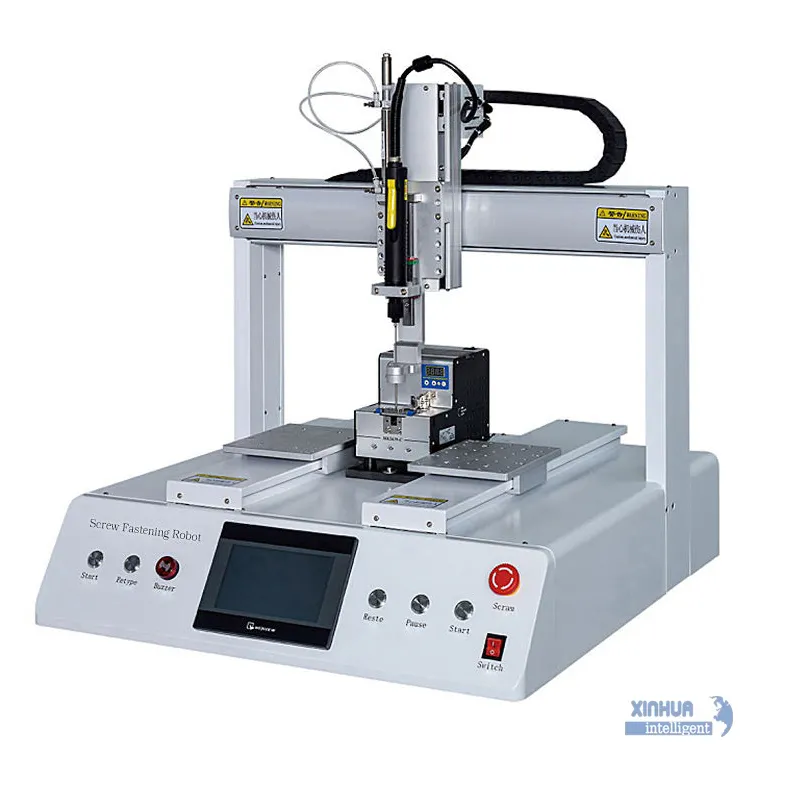
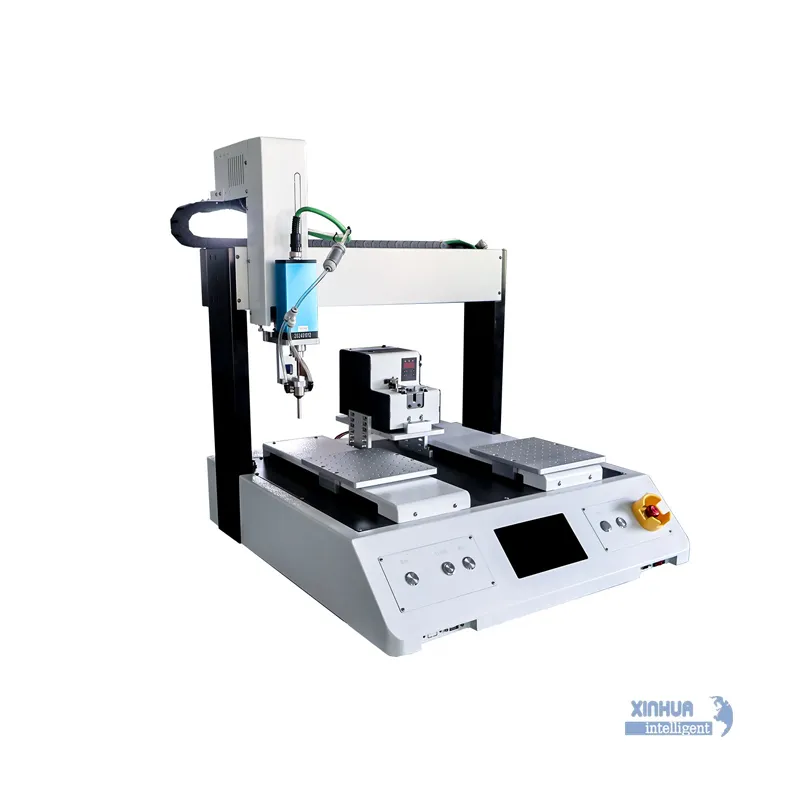
4-Axis Automatic Screw Locking Machine with Dual-Platform
-
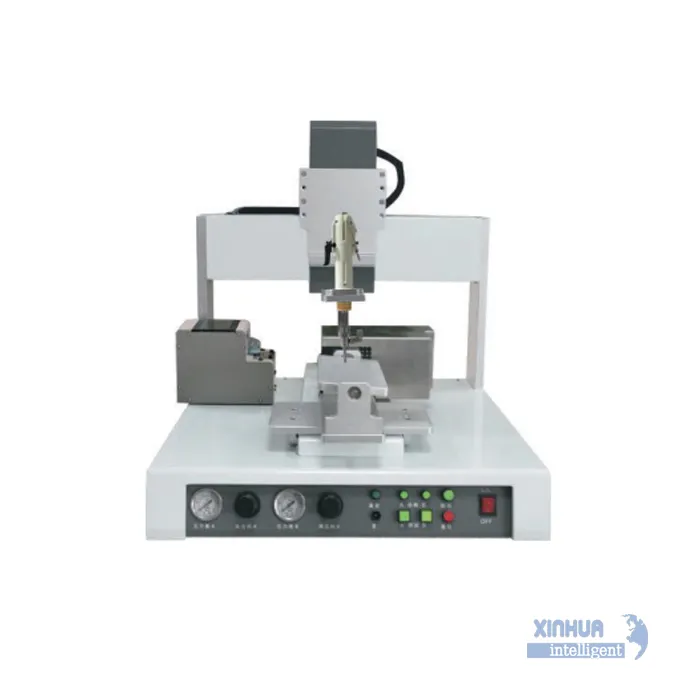
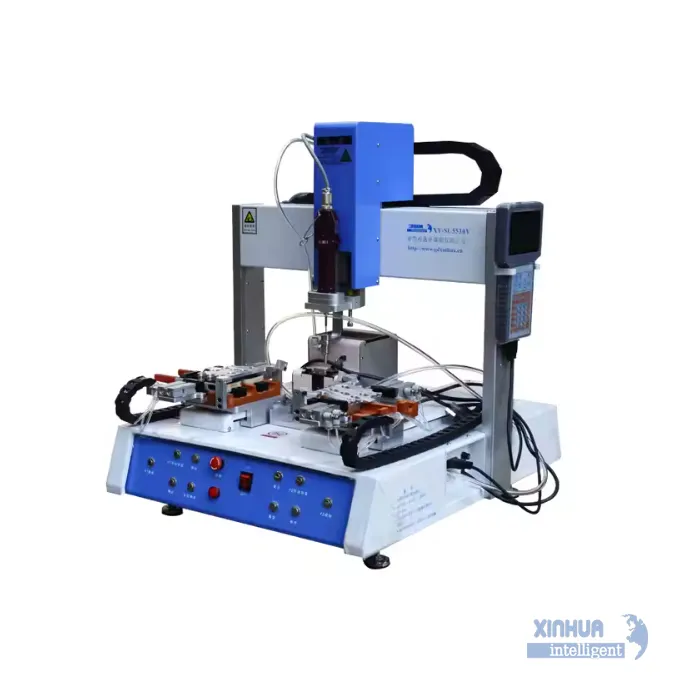
Benchtop Automatic Screw Fastening Robot with 360° Rotatable Platform XY-SC440R
-
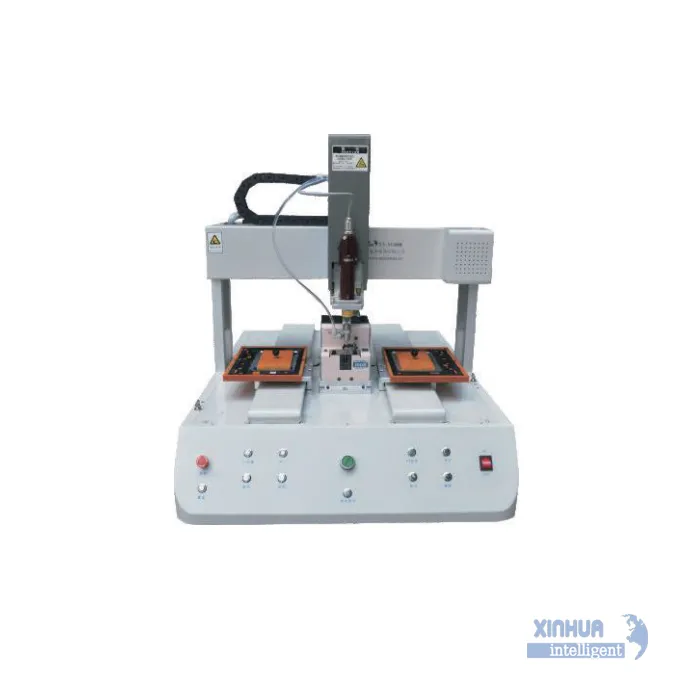
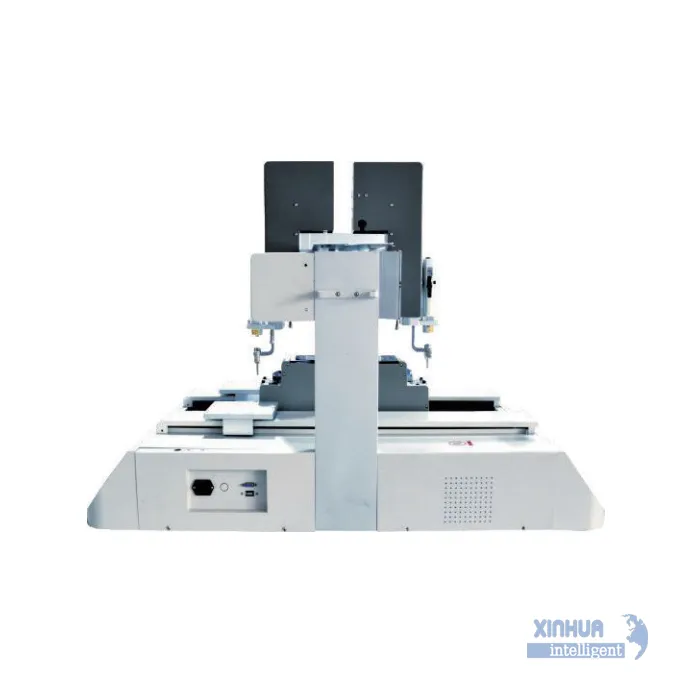
6 Axis Desktop Screw Tightening Machine XY-SC970S/SC550S
-
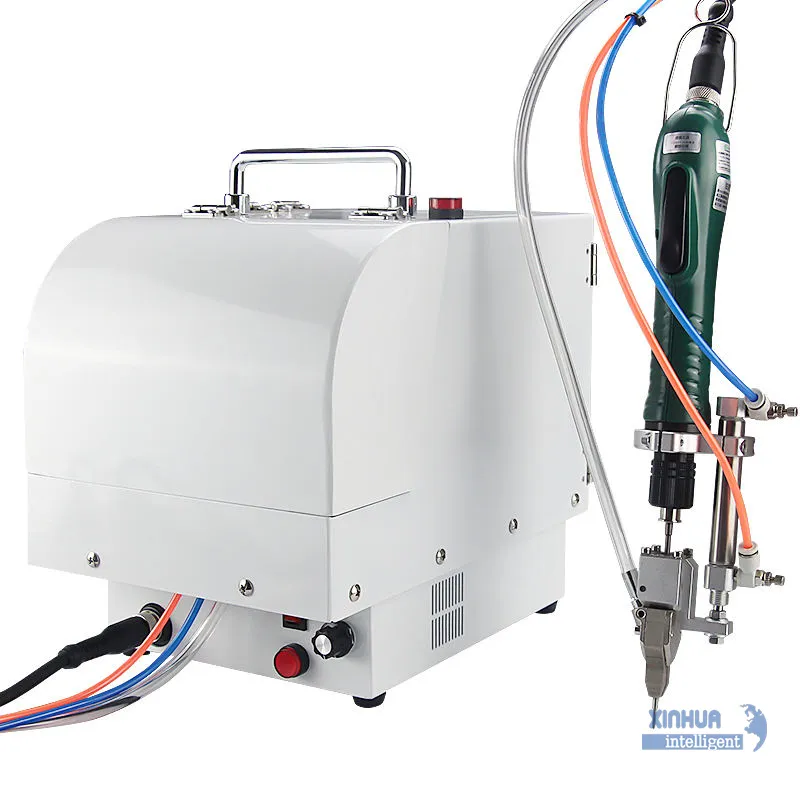
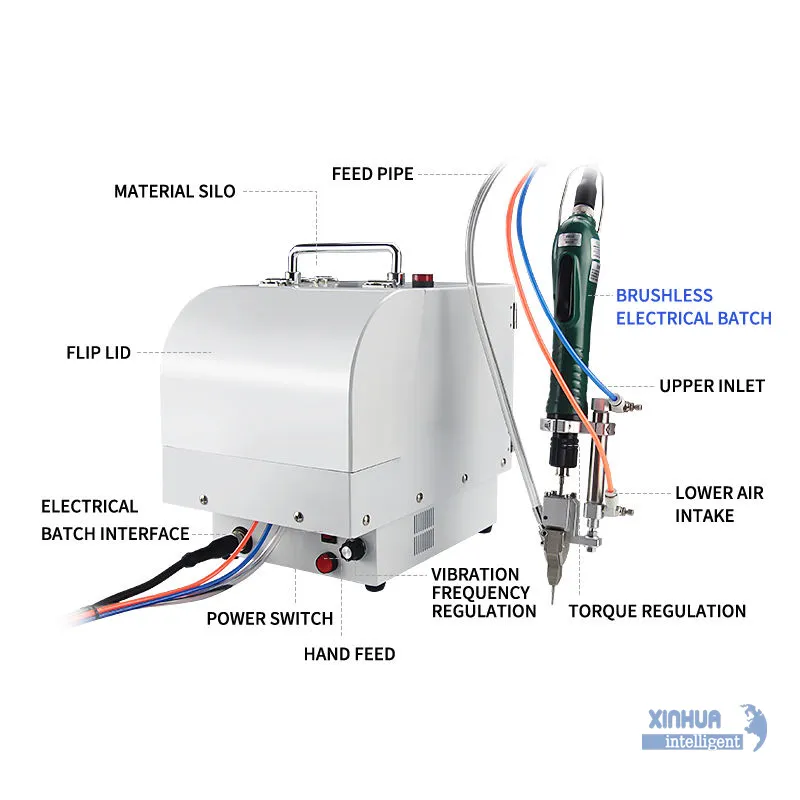
Handheld Automatic Screw Feeder XY-SC50-Z
-
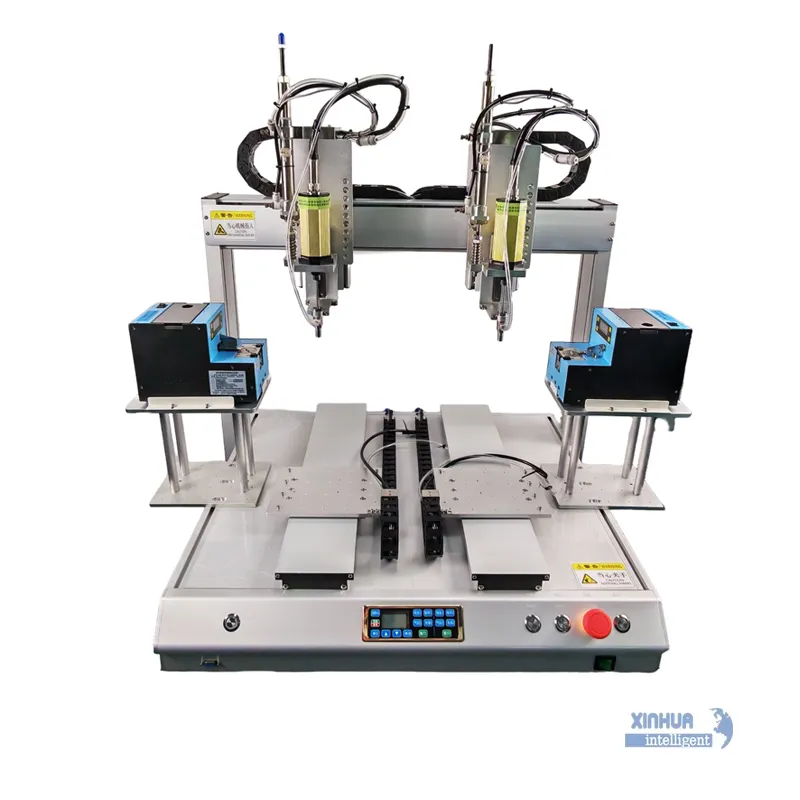
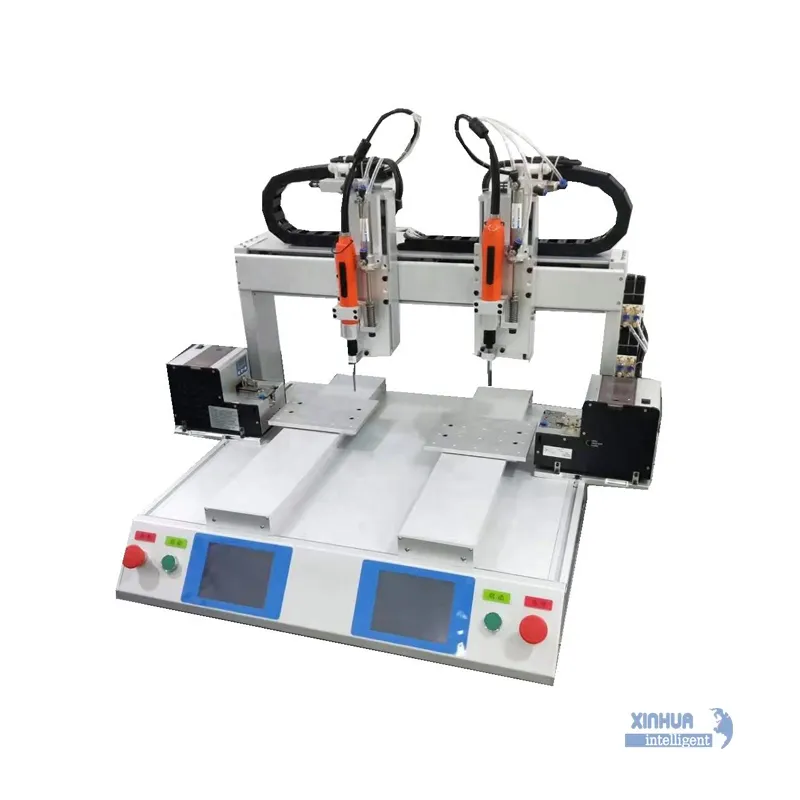
Desktop Six-Axis Automatic Screw Fitting Machine with Dual-Station and Double-Head
-
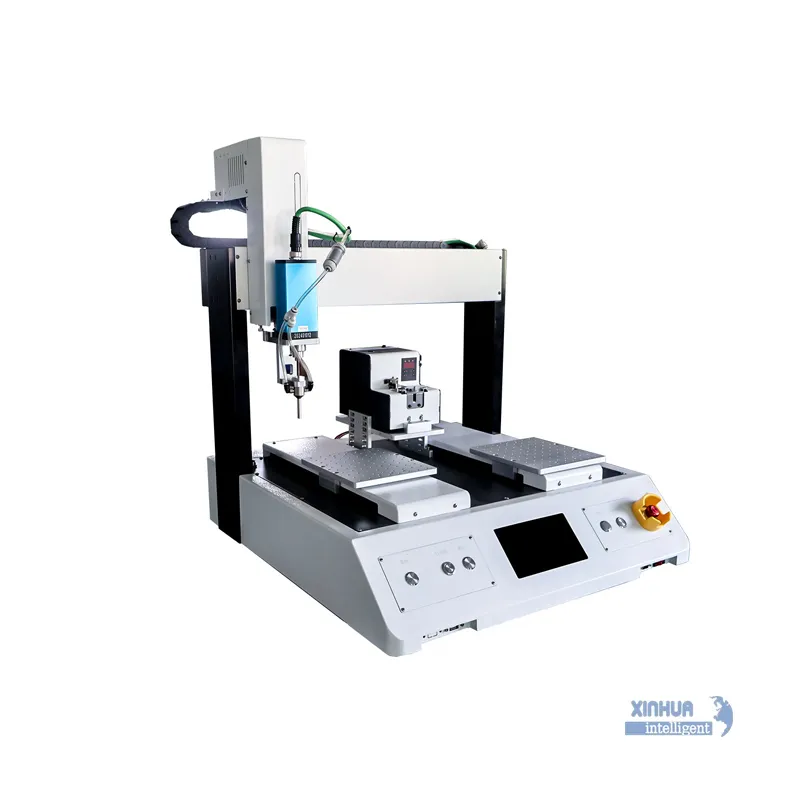
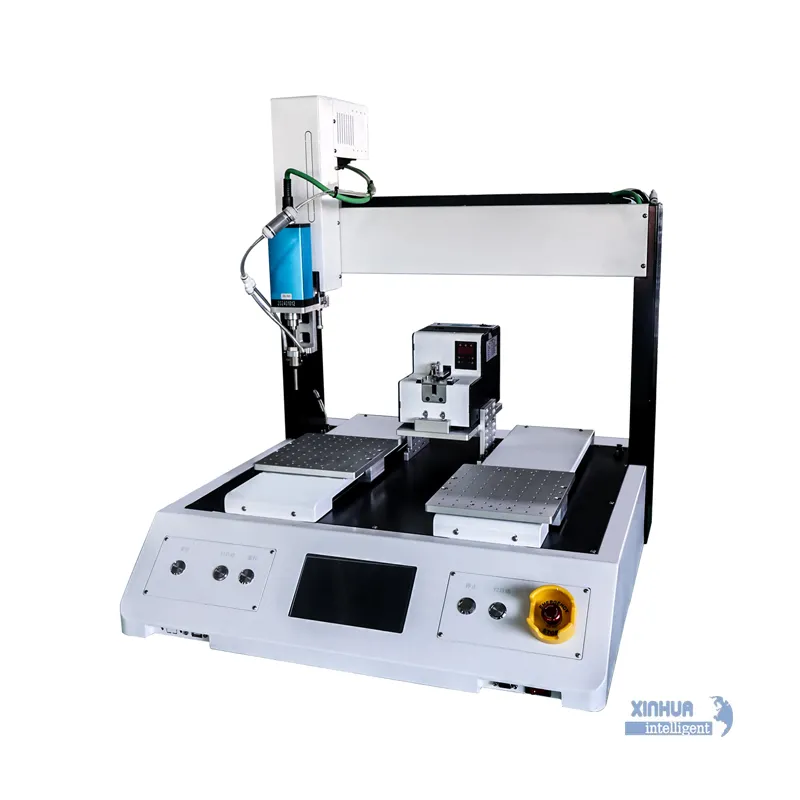
Desktop 3 Axis Screw Fastening Robot with Double Station
-
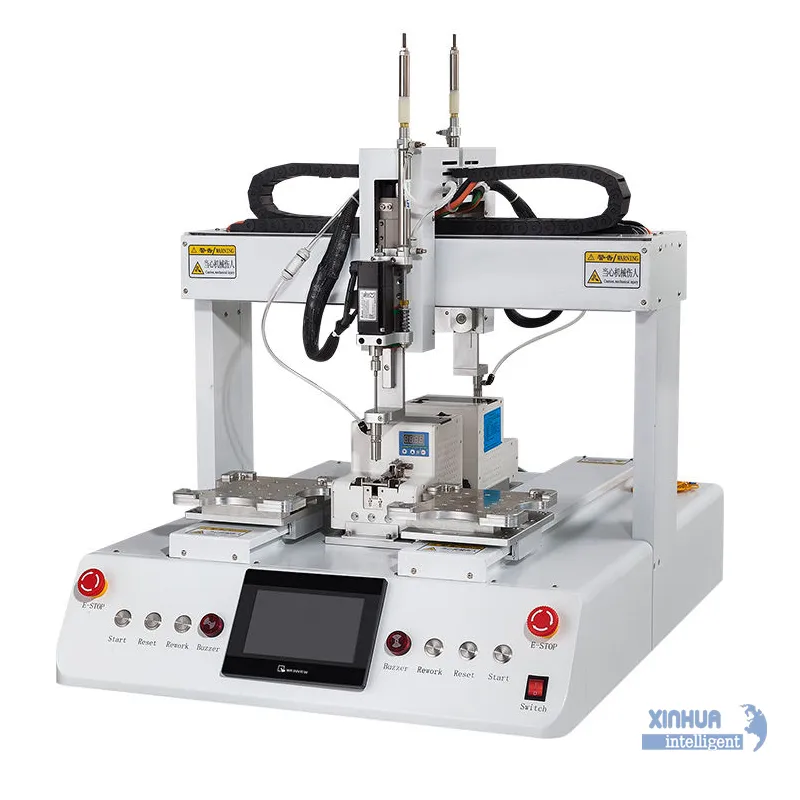
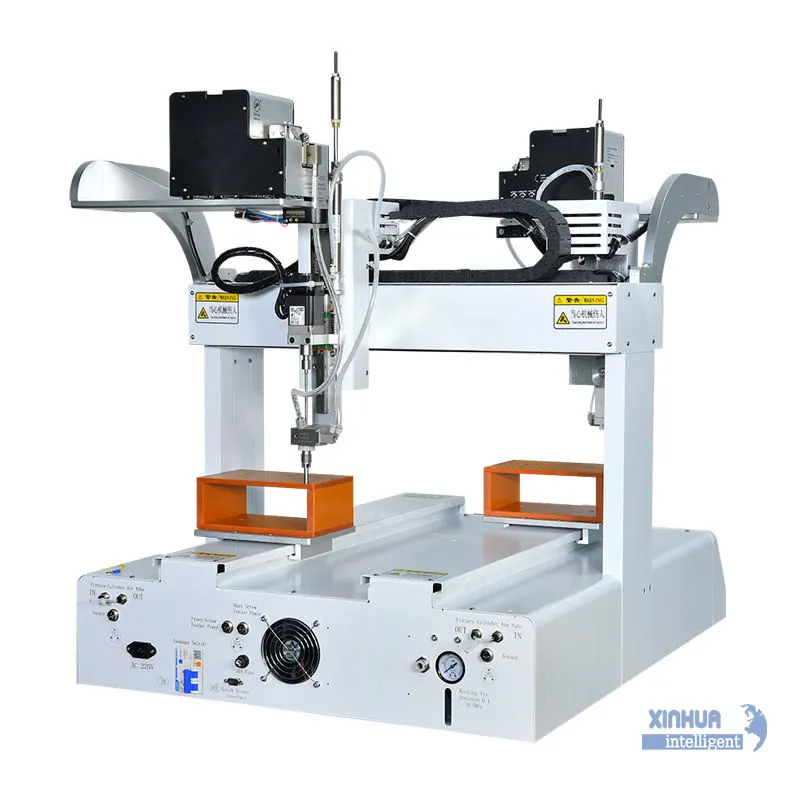
Desktop Automatic Screw Tightening Robot with Back to Back Type,Double Head,Double Platform
-
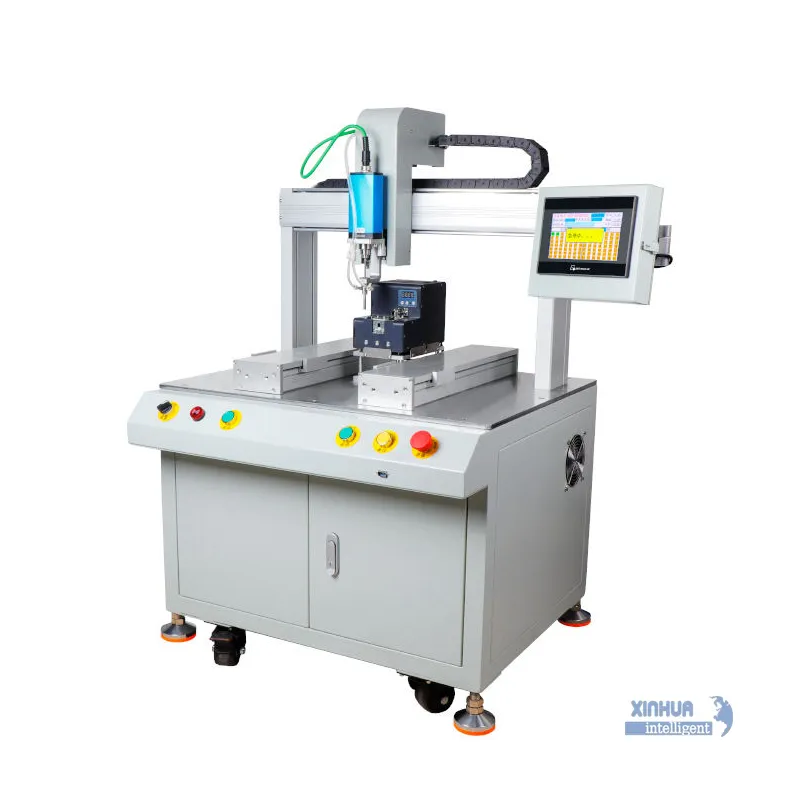
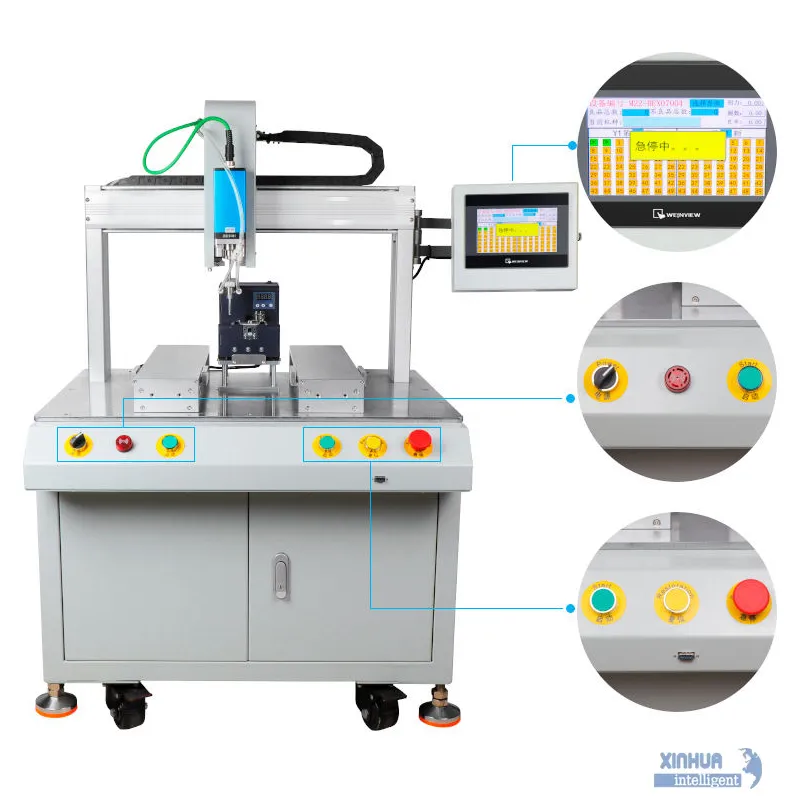
Three Axis Auto Screw Locking Machine with Floor-type (Adsorption,Double Station)
-
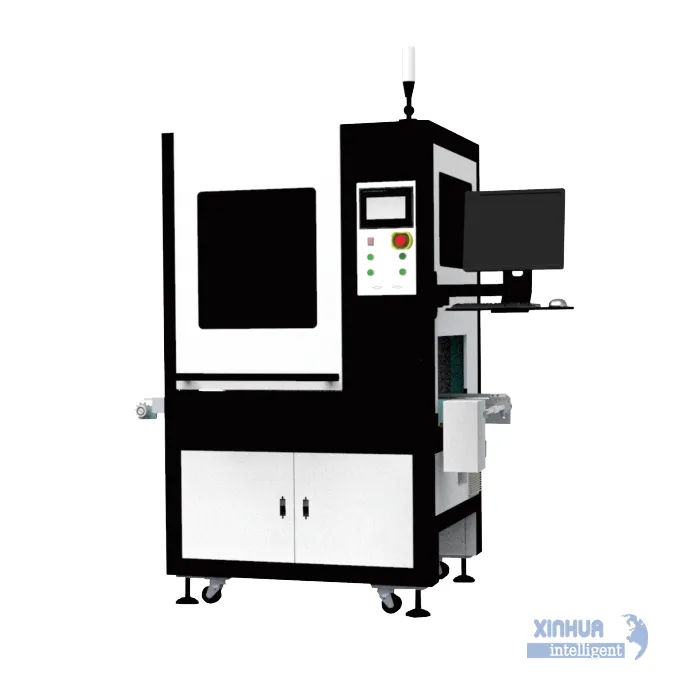
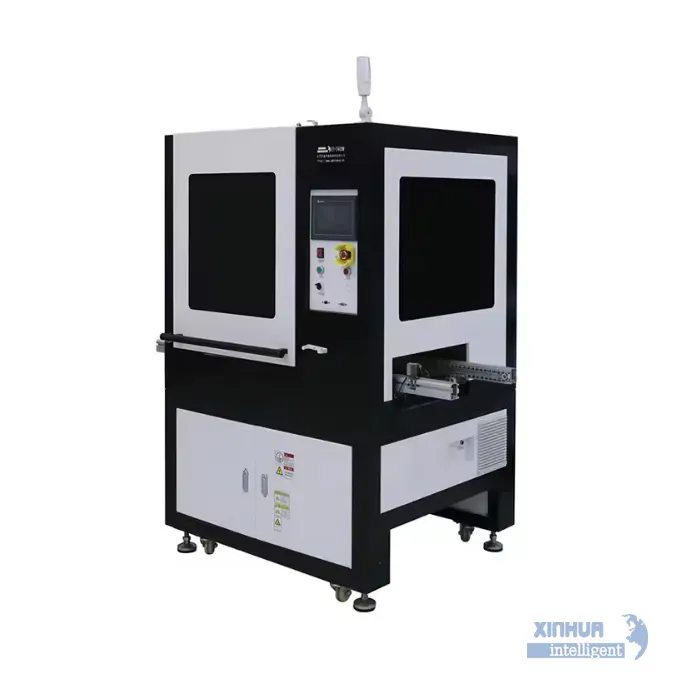
Online Auto Screw Tightening Machine XY-SC3400
-
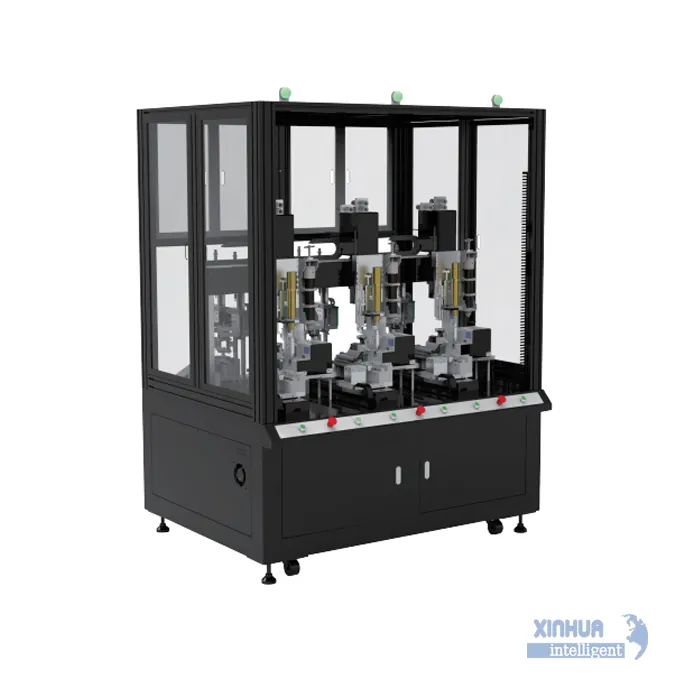
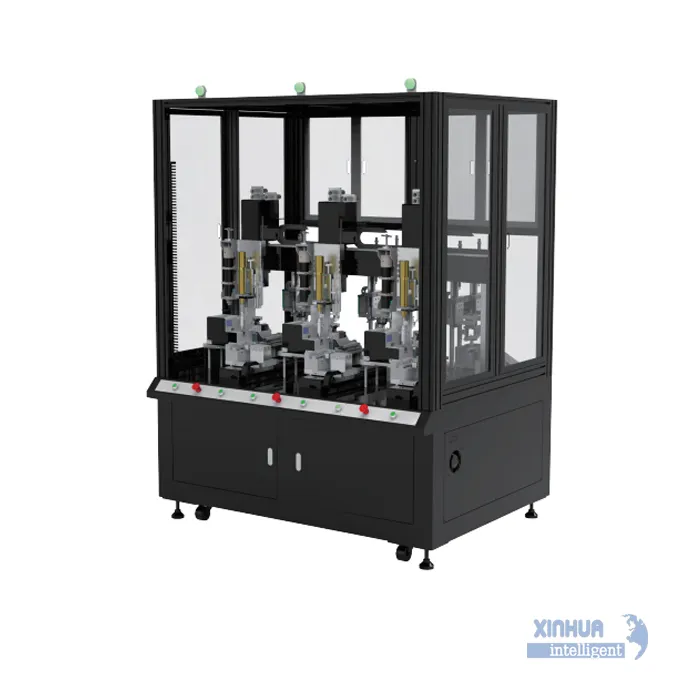
Three Station Automatic Screw Fastening Machine XY-AS373-T
-
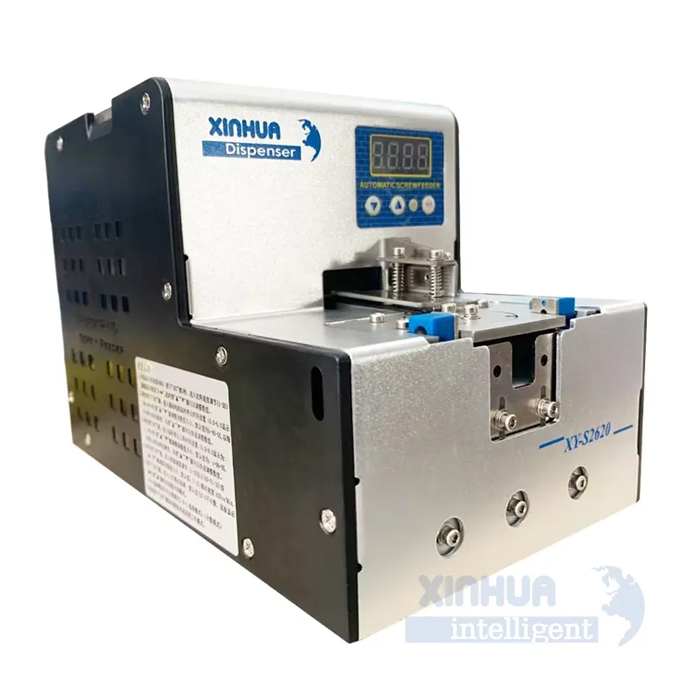

Portable Automatic Screw Feeding Machine XY-S2620


