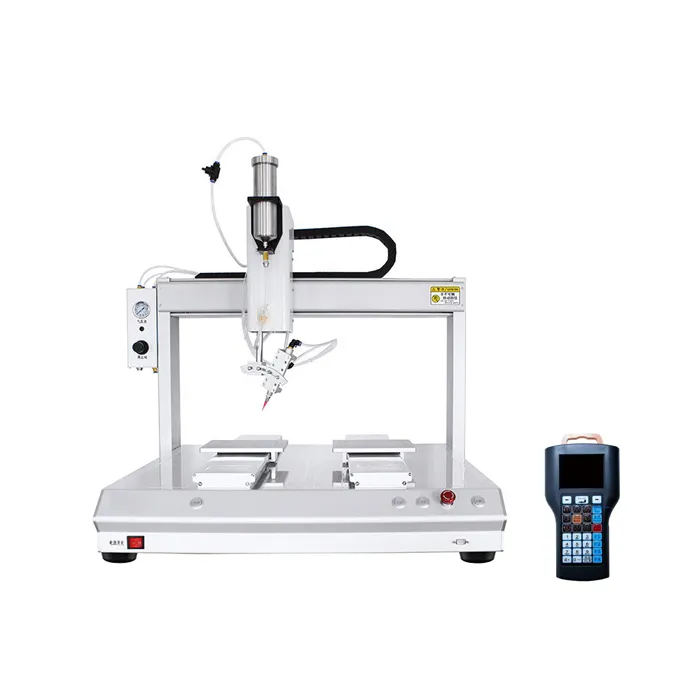
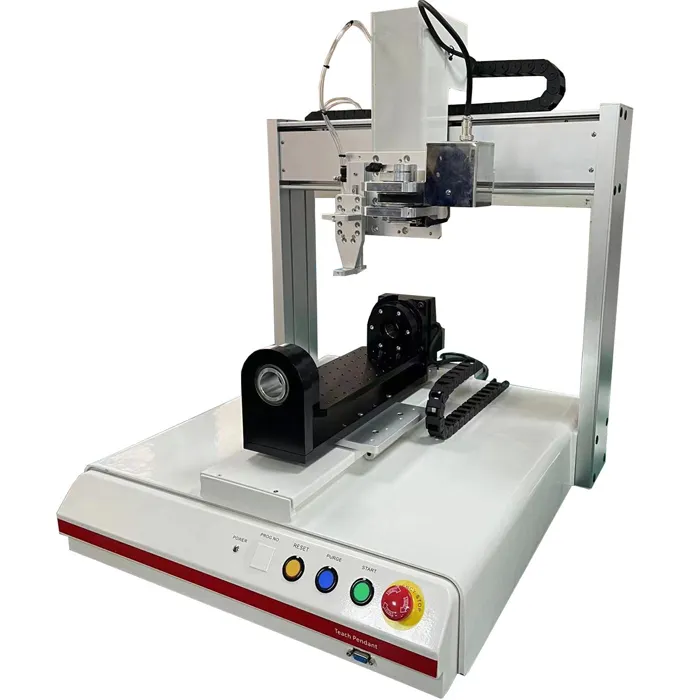
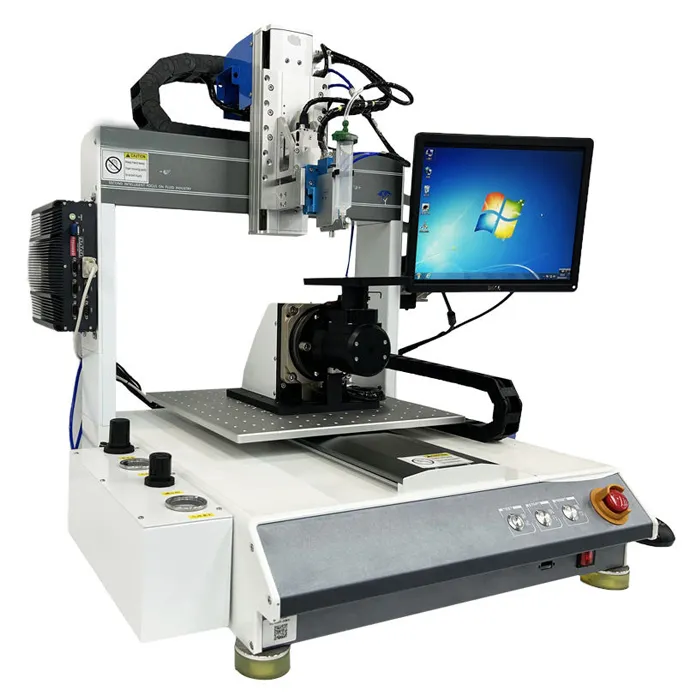
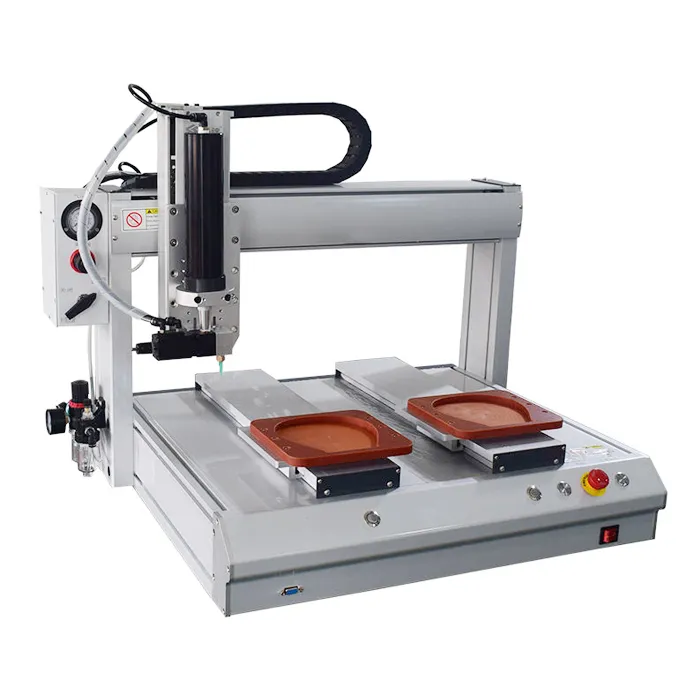
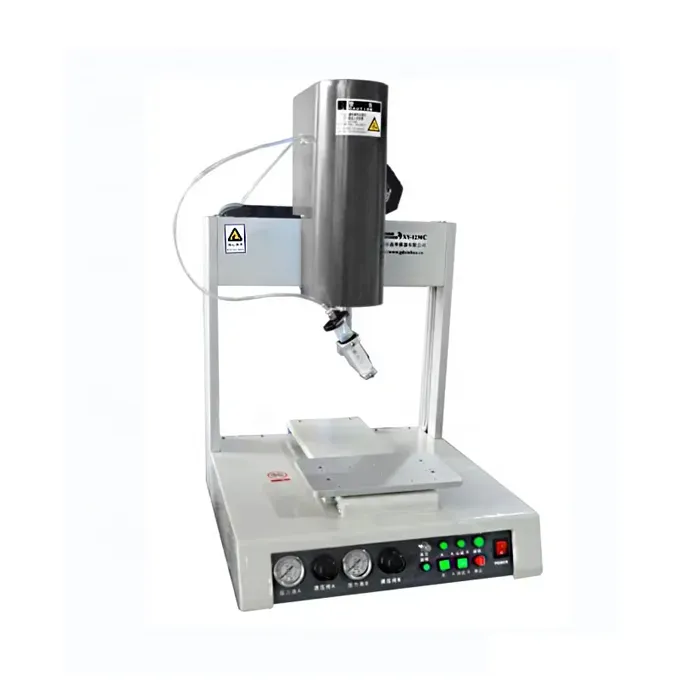
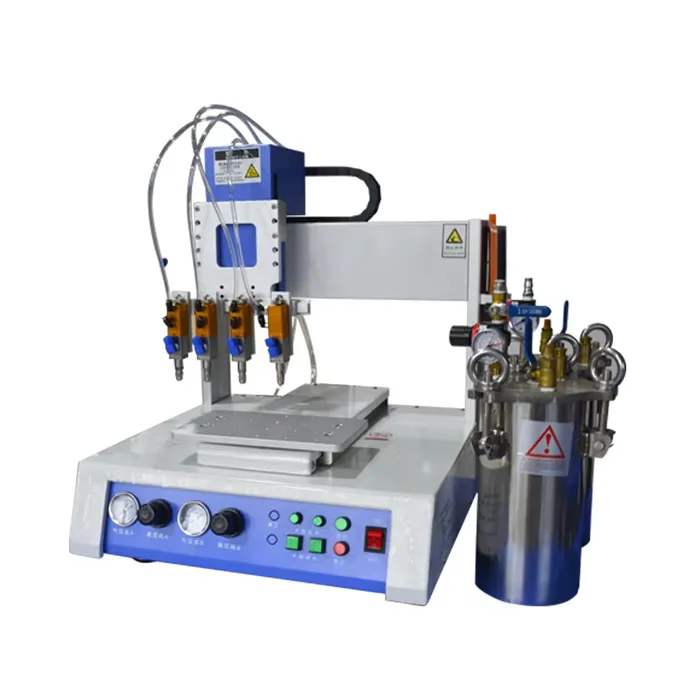
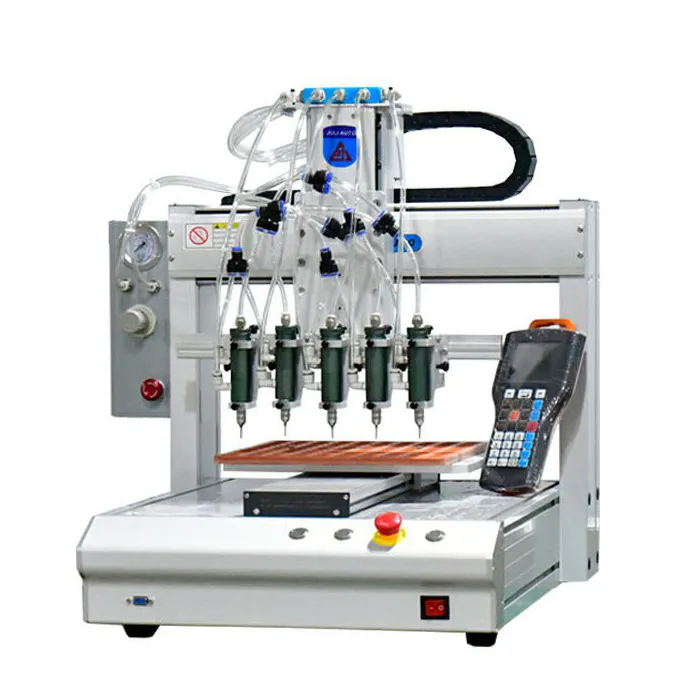
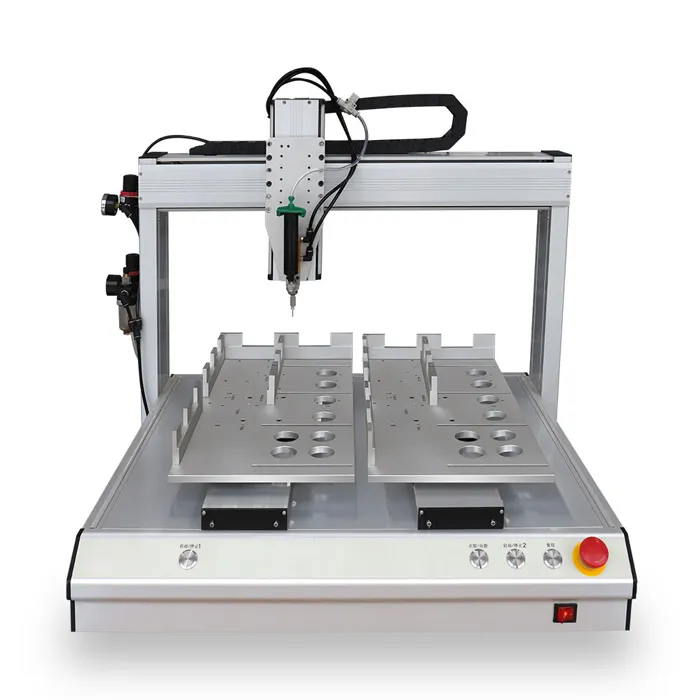
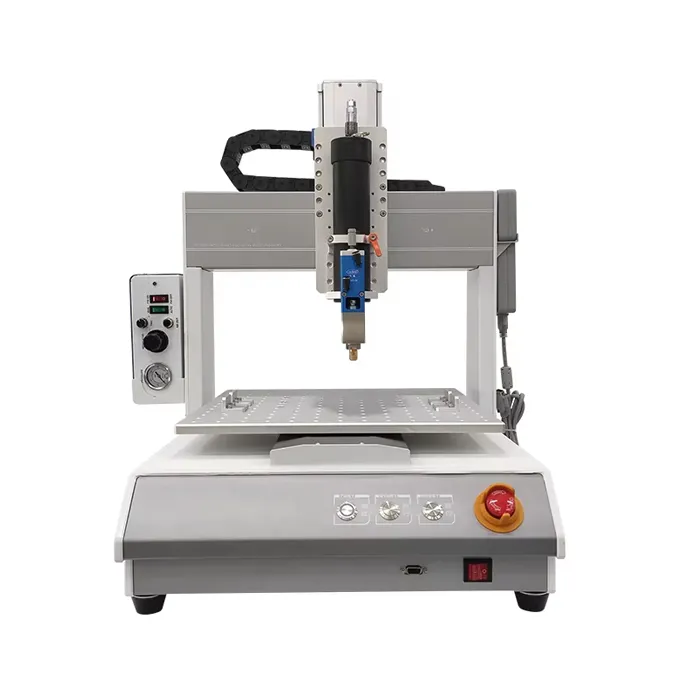
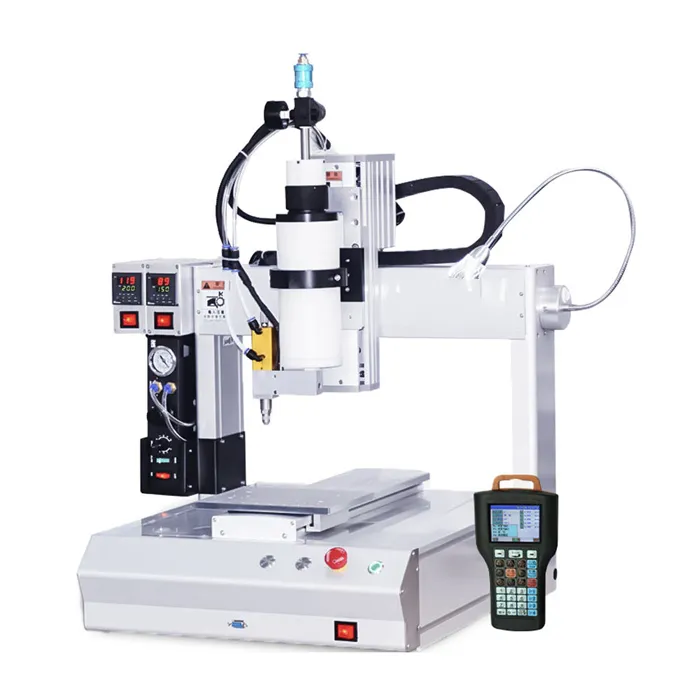
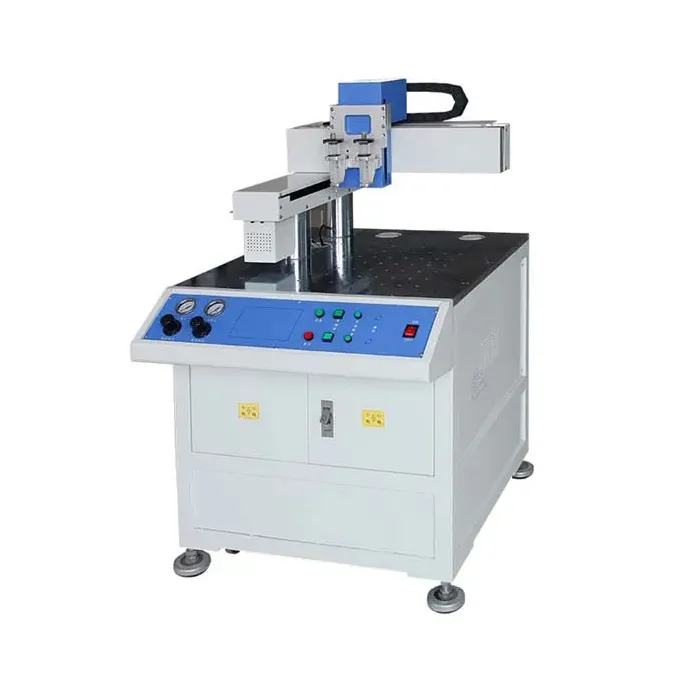
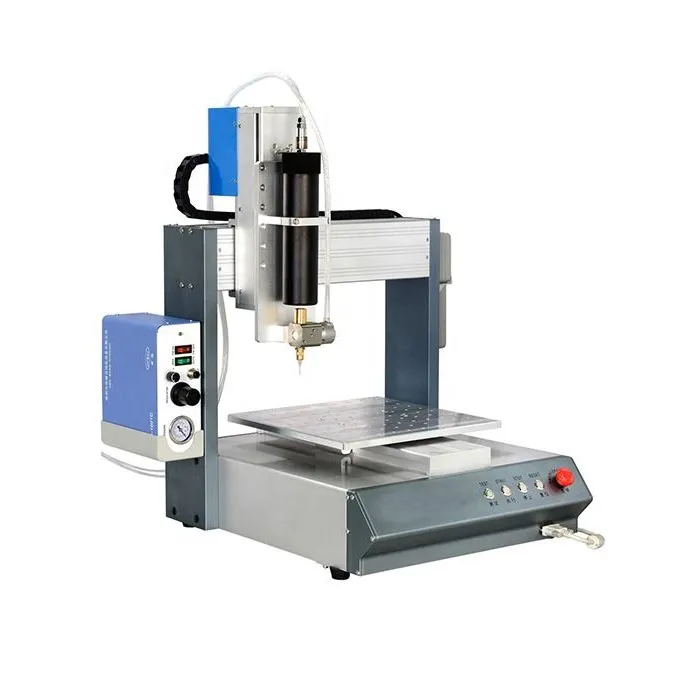
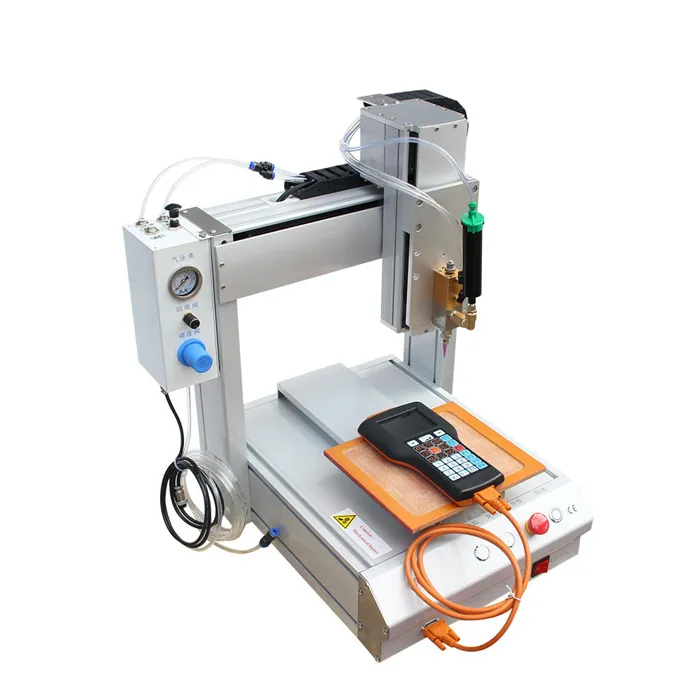
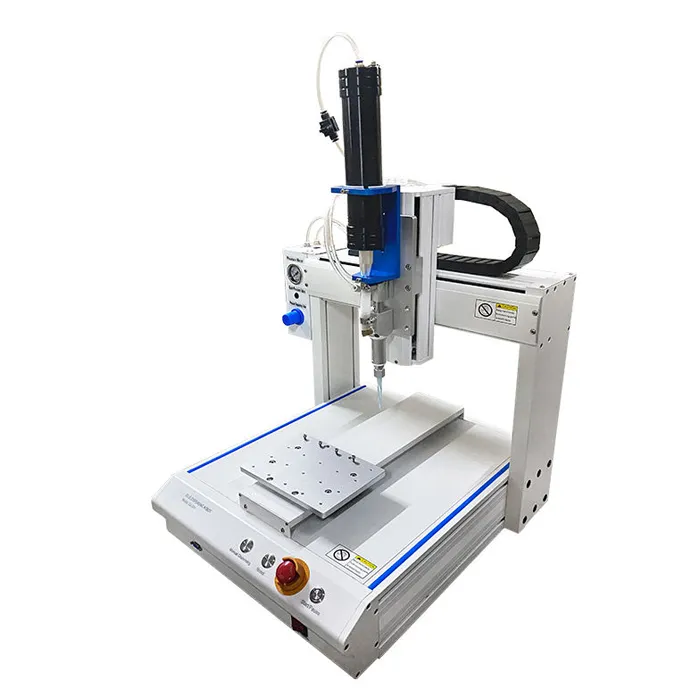
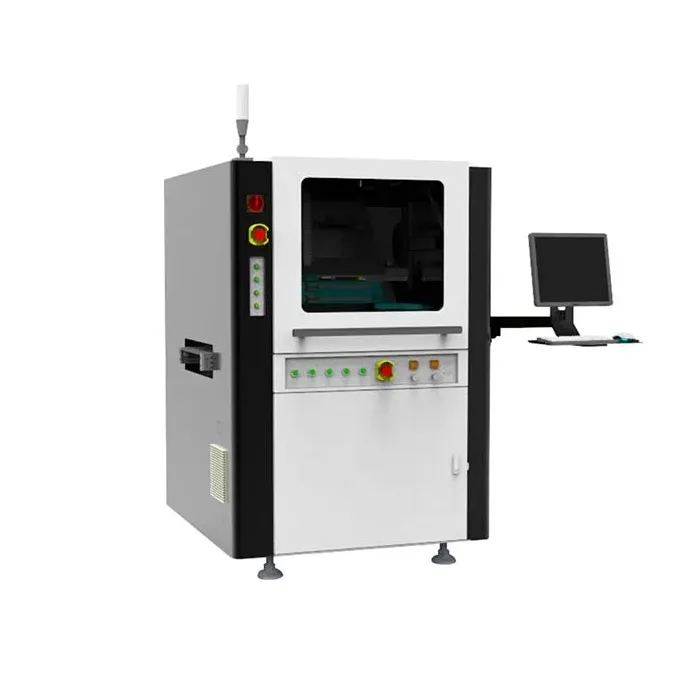
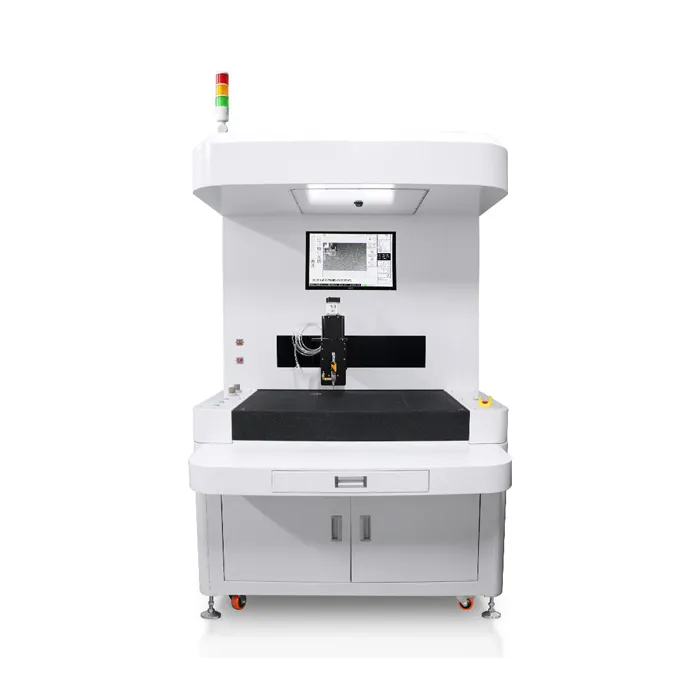
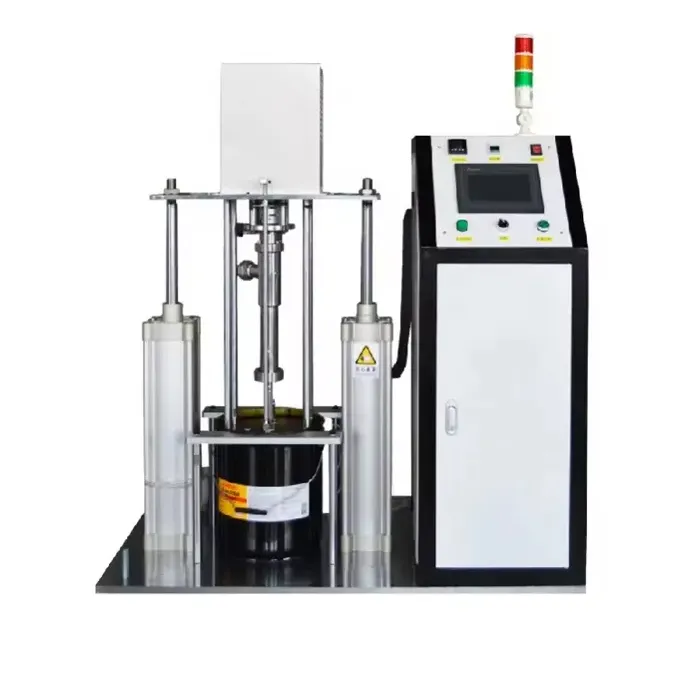
Automated glue dispensing machine have become essential equipment in manufacturing environments where precision, speed, and consistency directly influence product quality. As factories worldwide pursue higher productivity and lower defect rates, automated dispensing technology has evolved into a reliable solution for bonding, sealing, coating, and potting processes across electronics, automotive, home appliances, LED, medical devices, and more. With years of experience working alongside production engineers, I have seen firsthand how automated dispensing reshapes workflows, reduces waste, and strengthens process stability.
One of the most important advantages of automated glue dispensing machines is the ability to achieve highly repeatable accuracy. Manual glue application often leads to inconsistent bead sizes, variations in volume, and excess adhesive waste. In contrast, well-designed dispensing systems maintain stable pressure, controlled flow rates, and precision motion control. Many advanced models now operate with accuracy around ±0.02 mm, ensuring that every joint or component receives exactly the required amount of adhesive. This precision helps manufacturers reduce rework, avoid leakage issues, and maintain a professional final appearance—critical in sectors where customers judge quality by detail.
Consistency also extends to workflow standardization. Automated glue dispensing machines integrate seamlessly into production lines, reducing reliance on operator skill and eliminating fatigue-related errors. Once parameters are set—such as dispensing path, speed, volume, or curing requirements—the machine repeats the same process thousands of times. This level of process control is especially valuable for international manufacturers serving Southeast Asia, the Middle East, and European markets where product compliance and quality audits require reliable, documented procedures.
Efficiency is another clear benefit. Automated dispensing systems dramatically reduce cycle times compared with manual application. Multi-axis robots, dual-head configurations, and inline conveyors allow multiple components to be processed in parallel. Machines designed for high-volume production can work nonstop with minimal downtime, while integrated sensors ensure that dispensing remains stable even during long operations. As a result, factories can produce more units per hour, reduce labor costs, and redirect skilled workers to higher-value tasks such as inspection or engineering.
The versatility of automated glue dispensing machines also makes them applicable to a wide range of industries. Hot melt adhesives, silicone, epoxy, PU, and UV adhesives can all be dispensed using the proper configuration. For example, electronics manufacturers rely on precise silicone potting for circuit protection, while automotive suppliers use structural adhesives for bonding trims and seals. Manufacturers of LED products need uniform light-transmitting glue patterns, while appliance producers require consistent sealing to ensure durability. Because of this versatility, companies often find that adopting automated dispensing not only improves a single process but becomes a long-term investment that benefits multiple production lines.
From a technical perspective, modern automated glue dispensers incorporate several innovations that strengthen performance and reliability. Advanced control systems allow real-time adjustment of pressure and flow, compensating for adhesive viscosity changes caused by temperature or humidity. Vision systems can be added for precise positioning, allowing the machine to automatically identify component edges, correct offset positions, and ensure clean dispensing paths. Some systems integrate heating modules, vacuum feeding, or dosing pumps to handle specialized adhesives. These engineering improvements demonstrate the industry’s shift toward smarter, more adaptive dispensing solutions.
Maintenance and operational stability are equally important. Well-designed machines include modular components that are easy to clean, replace, or upgrade. Proper filtration prevents clogging, while pressure monitoring helps avoid sudden adhesive bursts or blockages. For factories operating in varied climates—from humid Southeast Asian workshops to high-temperature Middle Eastern environments—these stability features significantly reduce unexpected downtime and production interruptions.
Cost savings are another reason manufacturers upgrade to automated glue dispensing systems. While the initial investment may seem significant, the long-term benefits quickly outweigh it. Reduced adhesive waste, fewer defects, lower labor costs, shorter cycle times, and enhanced product reliability all contribute to substantial operational savings. Moreover, automated systems support digital documentation, enabling manufacturers to meet ISO standards or comply with customer audit requirements in international supply chains.
Finally, adopting automated glue dispensing machines strengthens a company’s competitiveness. Global buyers—especially in Europe and the Middle East—expect consistent product performance and traceable production processes. Automated equipment helps manufacturers deliver stable quality and build trust with customers. This reliability can become a key differentiator when bidding for large-scale OEM or ODM orders.
In summary, automated glue dispensing machine play a critical role in modern manufacturing. They enhance precision, stabilize workflow, increase production efficiency, and ensure consistent product quality across diverse applications. As global competition intensifies, manufacturers that invest in automated dispensing technology position themselves for long-term growth and stronger market confidence.